Wildlife Works Voted Best Project Developer in Forestry

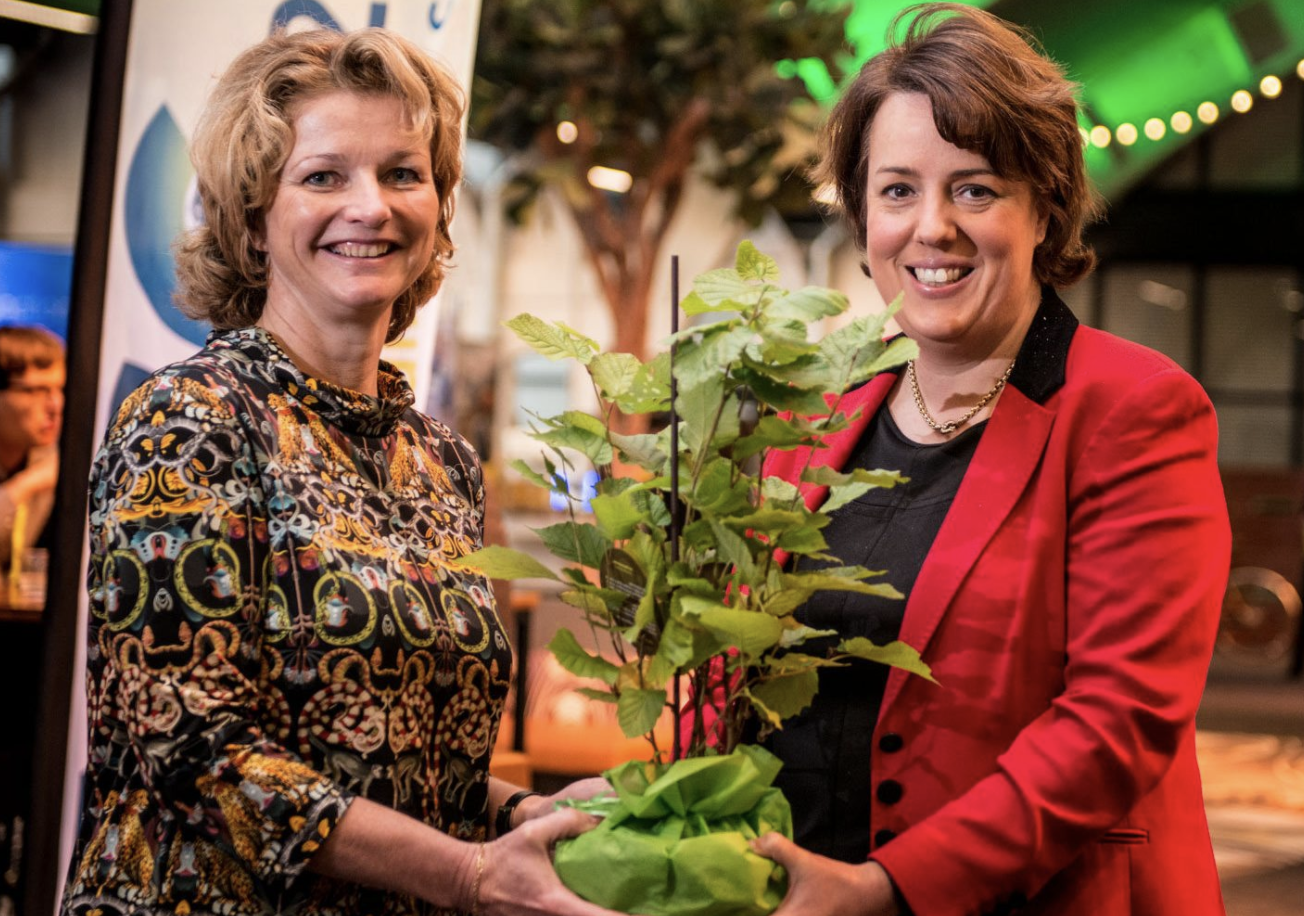
Wildlife Works Carbon LLC was voted best project developer in the forestry category of Environmental Finance and Carbon Finance Magazine’s Voluntary Carbon Market Rankings 2013. The first prize honor was decided through a vote of more than 700 members of the voluntary carbon trade.

Screen Shot 2013-06-19 at 5.41.43 PM

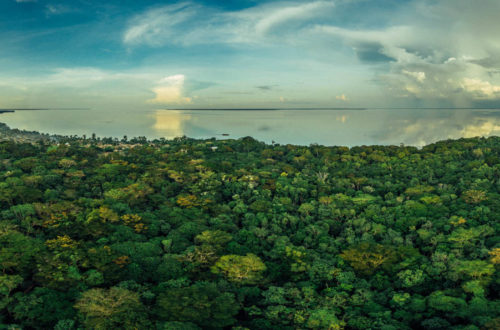
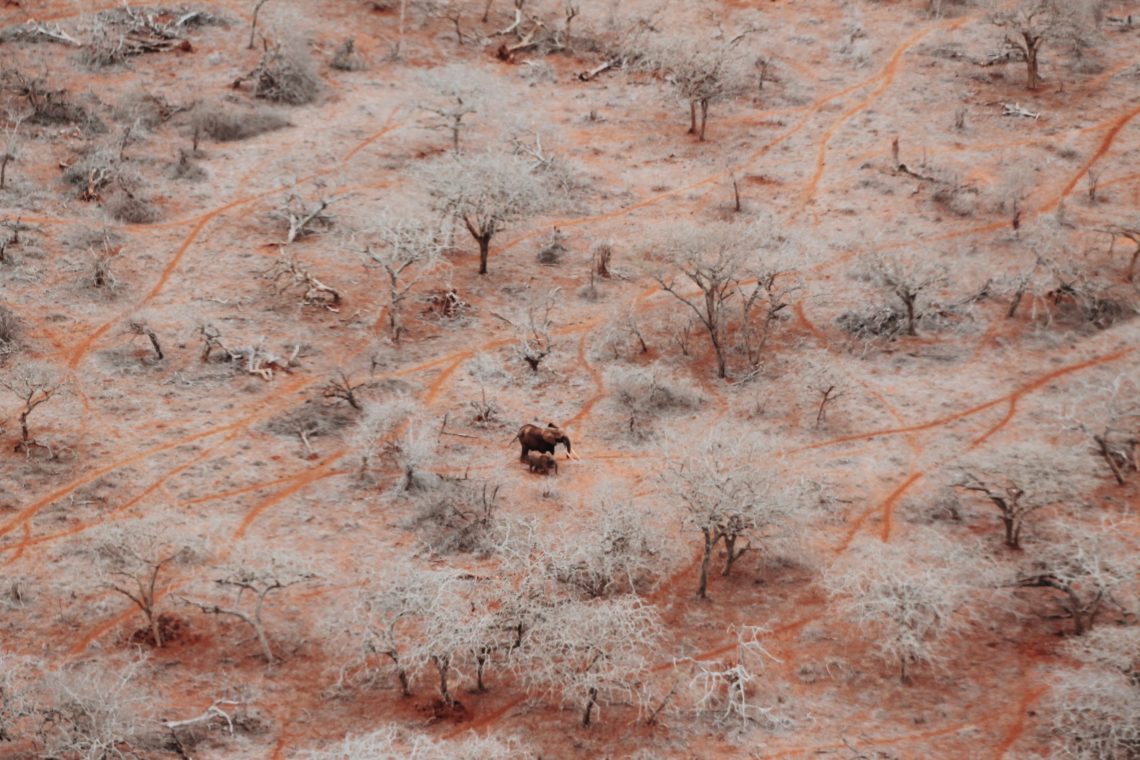
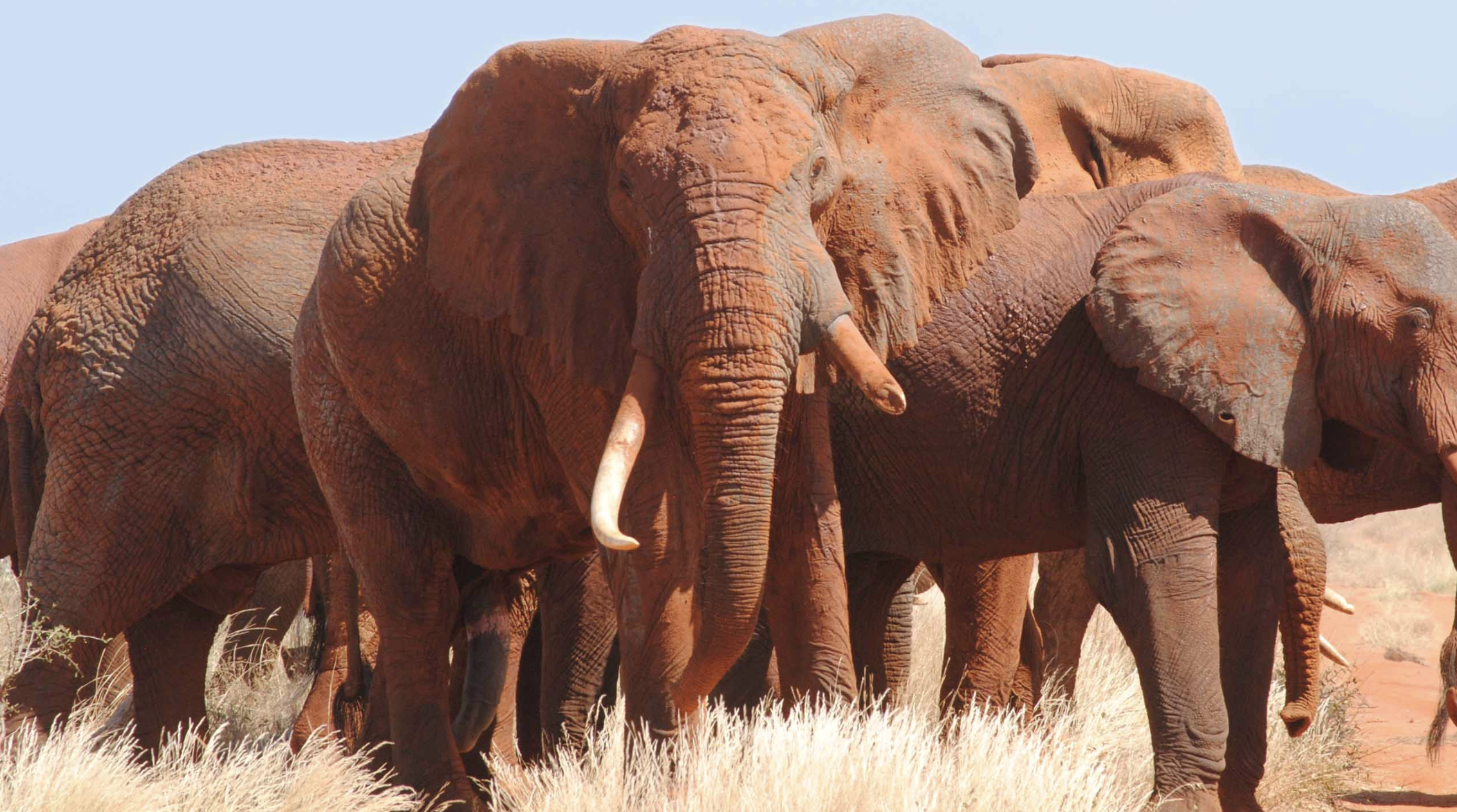
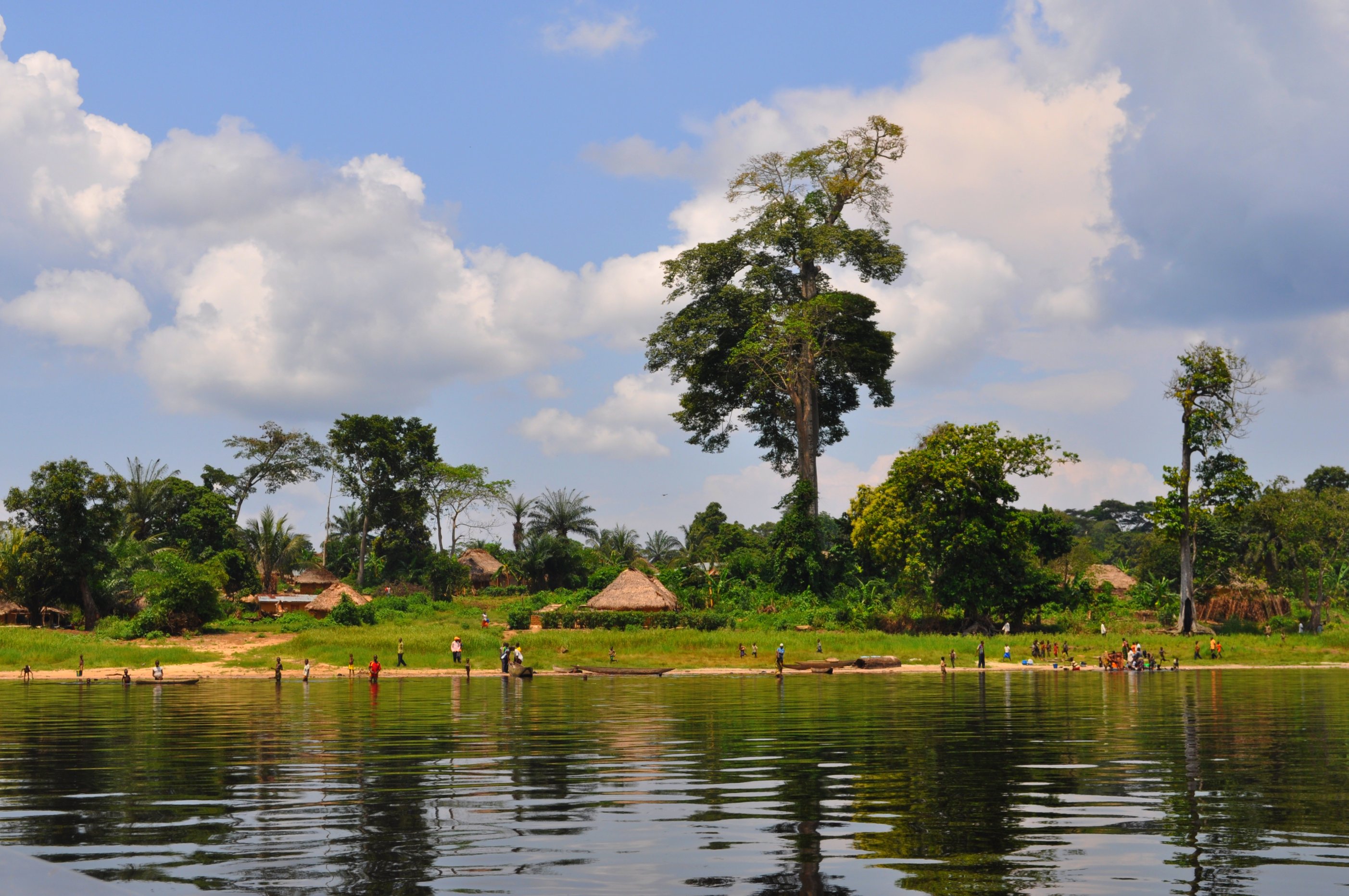
The industry rankings recognized the pioneering achievements of Wildlife Works’ REDD+ projects in Kenya and the Democratic Republic of the Congo (DRC), where Wildlife Works currently manages the protection of 1.2M acres of threatened forest that generates 5M tonnes of REDD+ carbon credits on behalf of landowners and 150K people from the local communities.

REDD+, an acronym for Reducing Emissions from Deforestation and Degradation, is an essential climate change mitigation strategy envisioned by the United Nations designed to help stop the destruction of the world’s forests. The “+” represents economic alternatives that provide numerous benefits to local communities who are engaged to participate in protecting their forest for an initial period of 30 years.

According to Mike Korchinsky, Founder and CEO Wildlife Works, “We attribute our success in this year’s rankings by focusing on doing the right thing – no matter how challenging – to ensure REDD+ remains true to its promise to make standing forests more valuable alive than dead for the benefit of forest communities, forest governments and for the planet.”

Korchinsky went on to say, “The way to protect threatened forests is through community engagement where local people receive multiple benefits through conservation-related jobs.”

Each year, 7B tonnes of C02 are released into the atmosphere as 35M acres of forest are destroyed due to slash and burn agriculture, legal and illegal logging and charcoal production. Deforestation accounts for approximately 20% of all greenhouse gas emissions that are causing global warming. Climate scientists broadly agree that the environment cannot be stabilized without protecting threatened forests.

Protecting threatened forests under a REDD+ program generates offsets or carbon credits that when sold, pay for the cost to leave a forest standing instead of going up in smoke. These REDD+ offsets can be used by companies to counterbalance their unavoidable emissions.

Notable corporations who reduce unavoidable emissions through support of Wildlife Works REDD+ projects include; Microsoft, Allianz, UPS, La Poste, Kering (Gucci, YSL, PUMA…) Barclay’s Bank, BNP Paribas and Marks & Spencer.

Proceeds from the sale of Wildlife Works REDD+ carbon credits are shared with landowners and the local community. “We have established a sustainable and scalable business model that delivers unprecedented environmental and social benefits to seriously impoverished parts of Africa and the world that are in need of the transformational change that Wildlife Works REDD+ projects can bring,” said Korchinsky.

Community members work as seamstresses making organic cotton T-shirts in the Wildlife Works eco-factory


education5

In addition to winning first place in the forestry category, Wildlife Works won second place for Best Project Developer in the overall category that included developers in renewable energy, energy efficiency, forestry and health.

All work and no play? Wildlife Works donates Phys. Ed. clothing to students!

Physical Education is an important part of the curriculum that we offer to children who attend our on-site nursery at Wildlife Works. Unfortunately, too often a lack of play clothes hinders the children’s full participation, and dusty school uniforms only add to the parents’ burdens.

To increase participation in our P.E. program, Wildlife Works has decided to donate two t-shirts and a pair of shorts to each student. The clothing was manufactured at our eco-factory, where many of the students’ parents are employed. Each item is made of cotton and features the Wildlife Works’ elephant logo.

The new play clothes were received with joy and appreciation by parents, students and teachers alike! The items will not only let the children exercise and play in comfort, but will also ease the burden on parents who have had to wash extremely dusty school uniforms. By donating the clothes, Wildlife Works also hopes to extend the durability of the kids’ school uniforms, which will go a long way in reducing parent’ expenses.

As we continue to look after the needs of our community members, we wish the children a happy day. After all, all work and no play makes Jack (or Jill) a dull child!

Students play in their new Wildlife Works P.E. clothes

Students play in their new Wildlife Works P.E. clothes

Students enjoy their new P.E. clothes

Students enjoy their new P.E. clothes

Kindergarten students enjoy their new P.E. clothes

Kindergarten students enjoy their new P.E. clothes

Smiling faces!

Smiling faces!

Students show off their new white Wildlife Works t-shirts and shorts.

Students show off their new white Wildlife Works t-shirts and shorts.

Students show off their new black Wildlife Works t-shirts and shorts.

Students show off their new black Wildlife Works t-shirts and shorts.

Wildlife Works looks to the birds to better understand climate change

As part of a long-term study to determine whether climate change is affecting bird populations, a Wildlife Works team hiked up Mt. Kasigau in Southeast Kenya to monitor the local wildlife and collect data on the many species of native and migratory birds. Wildlife Works has been conducting these expeditions three times per year for the past two years. The thinking behind this, is that global warming could cause birds to abandon their natural homes and move higher up the mountain or perish.

Mt. Kasigau

Mt. Kasigau

Hiking up Mt. Kasigau’s iconic humpback outcrop to conduct a bird monitoring expedition is no simple matter. A small team traveling at a leisurely pace with no luggage could reach the top of Mt. Kasigau in roughly 3 hours, but when you add bird-ringing equipment, bamboo poles, mist nets and camping equipment the journey becomes much more cumbersome.

The Wildlife Works team began their climb from the foothills of a small village called Kiteghe and set up four ringing stations from the mountain’s base to its peak.

Bird ringing, also known as bird banding, is a technique used in the study of wild birds by attaching a small, individually numbered tag to a bird’s wing or leg so that various aspects of the bird’s life can be measured and studied. Ornithologists use the tags to identify the same bird over a period of time and gain information on migration patterns, population studies, feeding behavior, territoriality and more.

Wild birds are carefully captured in mist nets, which are typically made of a fine nylon mesh suspended between two poles and resemble oversized volleyball nets, and fitted with a lightweight ring of suitable size. The rings are designed to have no adverse effect on the birds, in fact the whole basis of using rings to gather data is that ringed birds behave identically in all respects as the non-ringed population.

Eurasian Scops Owl

Eurasian Scops Owl

The Wildlife Works team began their first day by setting up 12-meter nets at the base of Mt. Kasigau at 6:00 in the morning, ringing birds until noon, and packed up the equipment to travel up the mountain to the next station. For over a week the team carefully caught, ringed and released a total of 119 birds of 25 different species.

During this expedition the team got to see Nightingales, Eurasian Scops Owls and Spotted Flycatchers, which all migrate to Africa from Europe. They caught many Plain Nightjars and Ashy Flycatchers, which are species native to Kenya. The highlight of the season was seeing a huge number of fledged young chicks wearing their very first coats of un-molted feathers!

Peters's Twinspot

Peters’s Twinspot

According to our Wildlife Works’ team, any changes will take place over a period of ten years, so it is important that we continue to collect data. In the meantime, this research is a great indicator of biodiversity levels on Mt. Kasigau. We will continue to study the wildlife in and around our REDD+ project area, and continue to fight against climate change.

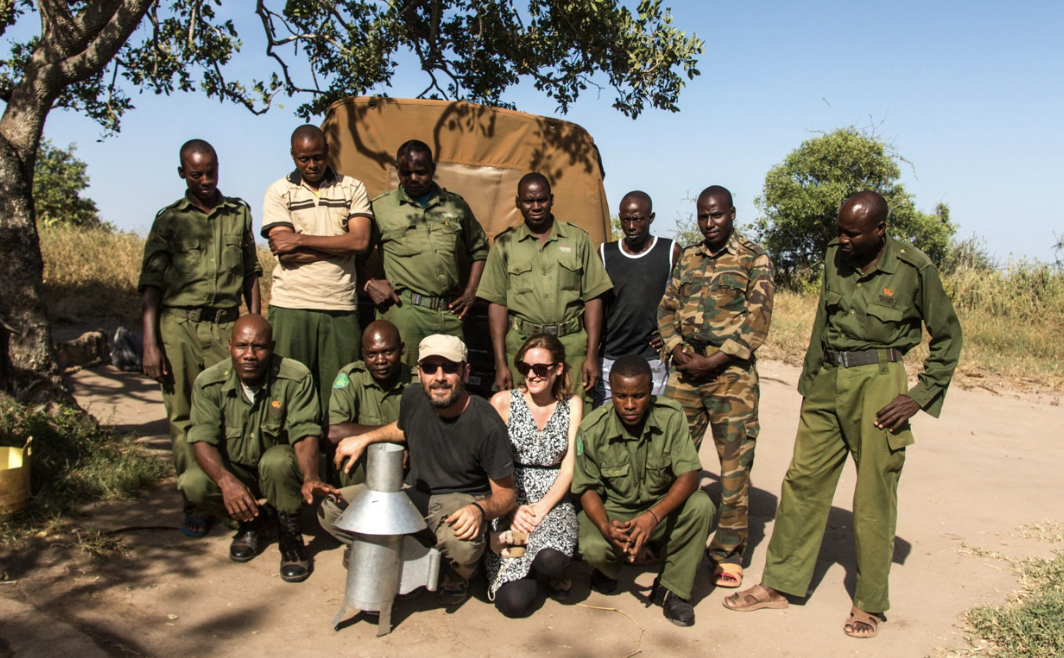
Wildlife Works rangers fight against illegal ivory trade

With the increase in violence linked to the rising value of ivory, Wildlife Works’ team of rangers, led by Head Ranger and Security Manager Eric Sagwe, have been working harder than ever to curb poaching and protect wildlife. The team encountered three notable events over the past few months, from poachers killing small game for meat to a large-scale slaughter for ivory, and will continue their tireless efforts to discourage poaching and protect wildlife.

Recently, two poachers were caught killing small animals to sell as bush meat. The pair had slaughtered two dik diks and two hares using pangas (large, broad-bladed African knives used as tools or weapons) and confessed to killing the animals in order to sell the meat. One poacher said he was a quarry worker in Kuranze and had five children. The other said he was 28 with a wife and three children and worked as a carpenter.

Dik diks are small antelopes that live in the bush lands of Eastern and Southern Africa.

Dik diks are small antelopes that live in the bush lands of Eastern and Southern Africa.

According to one of the Wildlife Works rangers, poaching is on the rise because the punishment for poaching small animals is not harsh enough to deter people.

The two poachers were taken to the nearby town of Voi’s police station and then to court in accordance with the law. Further steps have been taken to educate community members against buying wild animal meat.

One week later, ivory poachers struck Rukinga leaving five elephants dead.

Suspicious footprints had been found within the Wildlife Works Animal Sanctuary on Wednesday, March 20th. The rangers notified Kenya Wildlife Services, and when the teams had gathered, Head Ranger Eric spoke with the KWS Company Commander to organize the tracking strategies that both groups would use to catch the potential poachers before any animals could be harmed.

The rangers spent two full days covering an area of 15 km from the Rukinga Ranch down to Talu Ranch near Mount Kasigau.

At one spot in Kasigau, rangers tracked down a place with the telltale signs of a small campfire where the poachers may have pitched camp the night before.

By Friday, some of the search teams began to wonder if the footprints spotted on Wednesday had been a ruse. Tracks left by farmers and herders who graze their livestock on some of the ranches made it difficult for the rangers to distinguish and track the poachers’ footprints. Efforts were further complicated by rain that had erased many of the tracks.

On Saturday afternoon, the rangers heard a rifle shot ricochet in the depths of Dawida Ranch. The groups came together to focus their efforts on searching the ranch, only to discover that they had been tricked! The gunshot heard from Dawida Ranch was meant to divert the rangers away from the Washumbu Ranch where the poachers had killed three male and two female elephants and removed their tusks. The poachers used the diversion to make their getaway, leaving five carcasses behind.

Empty rifle shells found at the location of the elephant carcasses.

Empty rifle shells found at the location of the elephant carcasses.

Rangers interviewed community members living around the Washumbu Ranch and learned that many residents had heard repeated gunshots Friday evening, but they had ignored the sounds and assumed the shots were coming from Wildlife officers engaging poachers in the park.

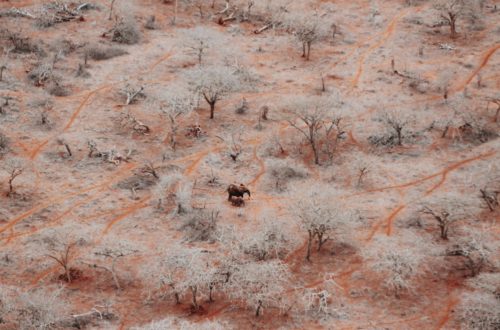
A KWS patrol aircraft was used to scan the Washumbu Ranch where the five carcasses were discovered almost huddled together. The poachers had clearly ambushed the elephants in a group.

Efforts to track down the poachers have been heightened and authorities have asked community members to report any information that could lead to the capture of the criminals.

This week, Wildlife Works rangers on patrol discovered an elephant carcass within the project area with its tusks intact.

Head Ranger Eric suspects that while trying to bring down the elephant using poisoned arrows, the poachers most likely spotted wildlife rangers on patrol and abandoned their efforts. Unfortunately the poor creature still died from wounds inflicted by the poachers.

After finding the carcass, the patrolling Wildlife Works rangers reported the incident to the closest station, removed the dead elephant’s tusks and brought them to the Kenya Wildlife Services office to be destroyed. The large tusks (weighing 60Kg) will be burned in government kilns to prevent them from being sold on the illegal ivory market.

Wildlife Works rangers dispose of the dead elephant’s tusks.

Wildlife Works rangers dispose of the dead elephant’s tusks.

Photo of Kenyan government officials burning ivory, from Jason Straziuso’s article for Independent Newspaper.

Photo of Kenyan government officials burning ivory, from Jason Straziuso’s article for Independent Newspaper.

Currently a somber mood hangs over the entire Wildlife Works family and the Kasigau Wildlife Corridor communities as each person mourns the loss of innocent wildlife. It is not only a Wildlife Works loss; it is a loss for the whole universe, for Mother Nature, and for you and I.

We cannot wish back the hands of time. We cannot wish for the group of five poached elephants to come back to life, nor the poisoned elephant that escaped with its tusks but not its life. We cannot sit back and watch helplessly as ruthless killers and merchants drive the African elephant to the brink of extinction.

Every one of us can do something to ensure that the killing stops and the demand for ivory ends. It all begins with you and I. Pledge to never purchase ornaments made from ivory. Say no to ivory by signing the petition at iworry.org. Sign the petition to stop the demand for ivory at change.org. Raise awareness on the plight of the African elephant. Support wildlife groups who work to protect animals and curb poaching. Help us spread our message.

Wildlife Works’ Big Day Out!

Wildlife Works’ regional directors from around the world, with the REDD+ directors from the U.S. and Kenya offices, and the top performers from each department of our Kenyan Project, gathered for an educational day of exploration in and around the rural communities we serve!

Screen Shot 2013-03-18 at 5.14.17 PM

The aim of this big day was for the directors of REDD+ projects and Wildlife Works employees to experience the beauty of rural Kenya, to learn about the community projects we have already accomplished, and to get to know the local residents and hear their needs for future community projects.

Everyone gathered at Camp Kenya, an eco-tourism site on our land, and divided into 6 teams with 6 or 7 people per team. The event was made up of multiple challenges including a treasure hunt, sightseeing, a community questionnaire and a scavenger hunt. Each team was equipped with a map of our project area in southeast Kenya, a GPS and a list of questions.

The teams visited 5 ranches, Rukinga, Taita, Mgeno, Kambanga and Maungu, located close to our project area.

BigFunDay

funday3

For the treasure hunt, the teams were instructed to travel to certain GPS points and find a clue that would direct them to the location of the treasure. For example, at Mawe Mrefu, once the team reached the GPS location they discovered a riddle that read:

“Beneath the tree,
On top of the rock.
If you can’t find me,
A baboon’s knocked me off!”

The treasure was a cache of soapstone coasters in a variety of colors. The goal of the treasure hunt was for each group to collect a full set of matching coasters by the end of the day.

funday5

Each group’s starter kit included a community questionnaire that would help the teams discover what’s new in Kasigau, ask for the local peoples’ thoughts about our current REDD+ projects and find out what additional community projects they would like to see in the future.

The questionnaire led the teams to the Marungu Secondary School, the Makwasinyi water tank, the Buguta Disabled Group at Buguta Community Library, Ranger Post 6.0, the Amy Nicholls Memorial Centre in Bungule, Kasigau Chief Kizaka’s office, the Marungu Hill Conservancy Association, and the Jora Women’s Basket Group, where team members could take a break for lunch. The Women’s Basket Group welcomed each team with traditional dancing, and some of the directors and managers joined in!

funday2

Wildlife Works founder Mike joins in the dancing with the ladies from Jora!

Wildlife Works founder Mike joins in the dancing with the ladies from Jora!

For the scavenger hunt, teams had to purchase or find specific items throughout the day. The groups were given some money to buy a stuffed animal from the Buguta Disabled Group and a basket from the Jora Women’s Group. Team members also needed to find an herbivore tooth, a twig of Acacia Tortilis (also known as the Umbrella Thorn tree), some frankincense resin from a Boswellia tree, and some elephant dung.

Team members could collect points for spotting wildlife while on their journey, and many got to see African elephants, giraffes, buffalo, lions and various species of birds. The employees spent the day hiking on red sandy soil, climbing up hills to take photos and enjoying the beautiful scenery.

funday4

The finish line was at the Susana Bar in Maungu where the teams trickled in and relaxed over drinks and stories about the day. Wildlife Works’ Conservationist Manager Cara Braund, who organized the event, tallied up each groups’ total points and chose a winner. Landscape Manager Danny Woodley’s team won, though all teams were acknowledged for an element they performed well.

The winning team received a hand-stitched Panamanian decorative piece of fabric traditionally worn as a front panel on clothing, which will be on display at the Kenya office.

Lider Sucre, Regional Director for Latin America, said, “The sites we visited, the community people we spoke with, the amazing wildlife, and getting to know the Rukinga team really made a big difference for me in understanding the project and our impact. For instance, it was EXCELLENT that I was teamed up with Bernard, Lenjo, Muhammed and Brown for the treasure hunt. I got to know their personalities and their superb attitudes. Bernard really excelled at identifying wildlife and Lenjo was so gracious with greeting all the different community members. I got to see them in their element and appreciate their vocation and dedication.”

The Jojoba Project: Cosmetic and beauty plants benefit rural communities

If you check the ingredient label on your favorite shampoo, lotion or lipstick, it’s very likely you’ll see jojoba listed. The oil pressed from the seeds of this shrub can be used “as is” to soften hair and skin, or can be mixed into different cosmetics as an added moisturizer. Jojoba oil is unique in that it is chemically a liquid wax, not a triglyceride, making it more similar to the natural oil on human skin (sebum) than traditional vegetable oils.

Jojoba shrubs are hardy and can survive in arid climates and rangelands. Plantations of jojoba have been established in a number of desert and semi-desert lands including Argentina, Australia, Israel and the Sonoran Desert covering large parts of Arizona, California and Mexico. The arid savannas of our Rukinga project area have the ideal conditions for jojoba plants to thrive.

Cosmas pruning seedlings

Cosmas pruning seedlings

As part of our greenhouse program, Wildlife Works has devoted roughly one hectare to growing jojoba, making Wildlife Works the largest producer of the plant in Kenya!

Currently, oil from the jojoba plants we grow is used in our soap production and is sold to hotels in Kenya. We hope to begin exporting the handmade soaps to sell in the U.S. in the near future.

The supervisor of The Jojoba Plant Project, Cosmas, is a 56-year-old married man with four children (three girls ages 21, 19 and 16, and one 14-year-old boy) living in Maungu, an adjacent town to Wildlife Works. Since 2009 when Cosmas took on the role of supervisor for the plant project, the number of facilities and employees dedicated to the project has risen, and quality of jojoba shrubs has increased. He says the project team is putting in a lot of hard work, knowing that the community will benefit from their success.

Cosmas with the team

Cosmas with the team

Cosmas has been working for Wildlife Works right from our company’s beginning. At first he worked as a casual laborer, then was assigned to the jojoba project. Cosmas was promoted to Jojoba Plant Project Supervisor 2009, after the success of the Kasigau REDD+ Project.

Cosmas is a role model for other workers who wish to grow within the company. Before coming to Wildlife Works he worked in Mbololo, a town 55km from his current home in Maungu, crushing stones and selling them as home construction materials to help support his parents. He completed secondary school levels and wanted to study medicine, but could not afford to pay the school fees. Cosmas used the small amount of money he had saved to pay for driving lessons in hopes of getting a job for one of the driving companies in Mombasa, but even after getting his license he had trouble finding work due to lack of experience. He visited Wildlife Works hoping to find a job as a company driver, but there were no positions available. At the time, our company had openings for casual laborers, so rather than continue searching for a position as a driver, Cosmas accepted the job and began work the very same day.

Cosmas spends his days pruning the jojoba seedlings, attaching tags to the plants in order to identify different growth rates and building micro-catchments around the shrubs. Micro-catchment is a practice to harvest rainwater in arid lands. The workers build up a mound of dirt surrounding the plants in order to trap rainwater close to the roots.

In addition to supervising the jojoba plant project, Cosmas’ responsibilities also include ensuring that all work equipment is well serviced and available for the other workers.

With a supervisor position at Wildlife Works, Cosmas’ life has really changed. He is now able to provide for his family’s needs including food, hospital bills and school fees for his three youngest children. Cosmas has been supporting his father who still lives in Mbololo since his mother passed away.

Micro-catchment

Micro-catchment

Micro-catchment

Micro-catchment

Cosmas hopes to see the jojoba plant become a global leader in producing oils and cosmetics.

Watering the seedlings

Watering the seedlings

Cosmas has formed friendships and good relationships with his colleagues, and says he enjoys working at the safe environment provided by Wildlife Works. He has learned a lot about the importance of conserving the environment, including planting and protecting trees, and educating fellow community members on the importance of protecting wildlife. We are proud to have Cosmas leading our team!

The show must go on: Environmental film festival educates community about conservation

Wildlife Works in collaboration with Amara Conservation, an NGO promoting sustainable livelihoods through education, organized an environmental film festival for the communities surrounding our project area in Rukinga.

WW Community Relation Officer Joseph Mwakima organized the program along with local teachers, the chairman of Location Carbon Committee (LCC) and the leaders of 5 villages in Kenya (Marungu, Mwatate, Mwachabo, Mwatate and Sagalla). The three-week-long program visited 13 different primary and secondary schools and traveled to 9 different communities.

Community members watching the films at night

Community members watching the films at night

Using the Amara Mobile Film Unit, the team was able to show three different conservation films from the African Environmental Film Foundation (AEFF). The first film, “Wanted: Dead or Alive,” showcases the current threats posed to both humans and animals by the illegal international ivory trade. “Wanted” also illustrates the financial benefits that rural communities can gain from sustainable, wildlife-based tourism.

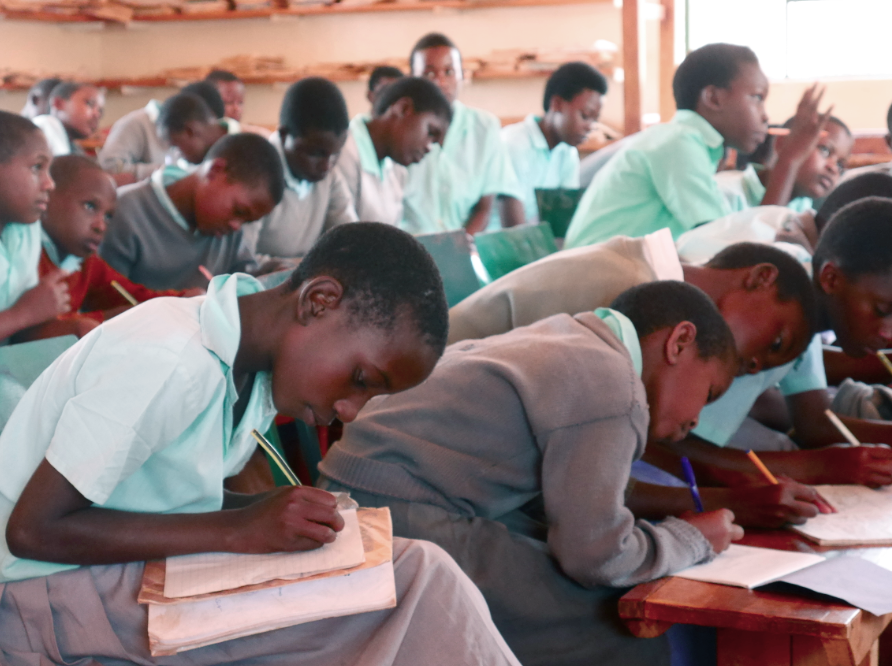
Students watching the films

Students watching the films

The second film, “Black Rhino on the Brink,” travels back thirty years to cover early attempts to save the Black Rhino from extinction. It contains footage from Kenya, Tanzania, South Africa and the Democratic Republic of the Congo. The film illustrates how people in different countries have worked together to save this seriously endangered animal. Although the number of Black Rhinos has plummeted to a fraction of their original numbers, they are slowly climbing back up due to the efforts of many people, some of whom have given their lives to protect these animals.

Students watching the films

Students watching the films

The final film “Mizoga,” (which means carcasses in Swahili) was written by the Born Free Foundation and produced in 2004 in Kasigau by students from Kenyatta University of Nairobi, Kasigau community members and Wildlife Works rangers, including our Head Ranger Erick Sagwe. The film has not yet been added to the AEFF’s list of conservation films, but was chosen for this festival due to its emphasis on protecting the environment and its use of the Swahili national language, which many residents understand better than English.

7,565 people attended the festival, making it a huge success! The goal of this program was to sensitize the community towards REDD+ projects and large wildlife species, as well as to open discussions and highlight the important role of wildlife in the ecosystem.

Joseph Mwakima talking about REDD+ projects in Mwatate secondary school after the film.

Joseph Mwakima talking about REDD+ projects in Mwatate secondary school after the film.

After watching the films, many residents and teachers talked about starting environmental clubs within their community. We are thrilled with the success of this endeavor, and plan to schedule more events for the future!

Fashion Designers Without Borders

By Joyce Hu, Creative Director, Wildlife Works

Last month, Wildlife Works was honored to be part of Supply Change’s first annual Fashion Designers Without Borders’ sourcing safari that introduced participants to artisan groups and social enterprises located all over Kenya from Mombasa to the Rift Valley.

A group of 6 U.S.-based fashion industry professionals traveled halfway around the world to meet some of Kenya’s most passionate social entrepreneurs that represent what change could mean in the global supply chain.

Fashion Designers without Borders

The Wildlife Works team members who joined the group included our Design and Production Manager Yugala, our Kenya Office Manager Cara, our Kenya Production Supervisor Liesl and myself, the Creative Director.

Joyce, Yugala, Cara, Liesl

Joyce, Yugala, Cara, Liesl

Here are some of our highlights:

FlipFlop Recycling Company (FFRC) collects flip flops from the Kenyan coast and makes them into all kinds of wonderful, whimsical accessories. Founder Julie Church is a marine biologist and one of the world’s experts on coral fish.

It’s a beautiful thing when science and social entrepreneurship collide! Julie employs a team of full-time Kenyans to clean, sort, sculpt and bead the flip flops into products that are sold in their store, Marula, located in the Karen district in Nairobi. FFRC also pays any flip flop collector by the kilo, which can help supplement the income of local coastal Kenyans.

Each year, FFRC recycles up to 70,000 flip flips that are washed up onto Kenyan shores from areas as far away as Indonesia. Their products get more and more innovative each year as they expand into more categories from jewelry to housewares.

marula

* * *

Wildlife Works achieved so much in 2012, including solidifying partnership with PUMA, which allowed us to double our factory capacity, relaunching our own fashion collection, and opening our on-site children’s day care center. We were proud to share these successes with like-minded individuals who are dedicated to spreading Consumer Powered Conservation.

WW


* * *

Our production partner Soko Kenya, who just moved their factory onto our project site, also presented to the group. We’re so proud of the work we do together, especially because some of the styles we’ve produced for ASOS have been worn by Michelle Obama!

Soko

* * *

Representatives from the Kasigau women’s basket-weaving groups came to Wildlife Works to show us how they make their baskets. There are many weaving groups in the area that provide a supplemental income to its members. Currently, their baskets are only sold in small quantities to visitors who come through the area. Wildlife Works is actively engaged with them for product development. Look for some basket products come Holiday 2013!

baskets


* * * 

CTC International (Comfort the Children) was founded ten years ago on the mission of creating a holistic solution to poverty, starting with creating an environment where all children can thrive. For CTC, this means developing programs for education, environment, economy (commerce), health and community. We were inspired to see an organization taking on the same holistic approach as Wildlife Works and succeeding at it.

ctc

What touched me the most was their dedication to special-needs children, who are seen as cursed by some Kenyan tribe cultures so many are ostracized by their communities. Caring for a special-needs child is a full-time job and most rural women in Kenya, who are many times the sole breadwinners in the family, can’t afford to do both. You can imagine the fate of many of these children.

CTC established the first special needs school in the area and staffed it with an education and occupational therapist in addition to daytime care takers, all this in a remote, poverty and disease-stricken area in Kenya – amazing.

You may have seen their Life Line coffee cup jackets and change purses at Whole Foods. Now you know where they come from and who they supporting!

* * * 

Bombolulu, which means “treasure” in Swahili, is located in the coastal city of Mombasa and employs local disabled adults, who are a severely marginalized group in Kenya. Esther Manyama, the program manager traveled to Wildlife Works to present the range of products and quality of work they produce in their factory.

They’ve come a long way to become a member of the World Fair Trade Organization and to be able to produce over 250,000 pieces per year, made by the hands of physically disabled craftsmen and women. Maybe there will be some job opportunities here for the children of CTC in the future!

Screen Shot 2013-03-05 at 3.51.42 PM


* * *

Kila Siku, which means “every day” in Swahili, employs over 40 female embroiderers in the DRC and over 30 embroiderers in Rwanda. The quality of their hand-embroidery is incredible and good enough to land one of Belgian’s oldest luxury linen companies, Libeco, as a client.

Last February, our production partner Soko teamed up with Kila Siku for embroidery training. A few women from Kila Siku DRC, who have never traveled outside their area, flew to Kenya to train Soko’s women in embroidery. The women were sad to part after having spent nearly a month together. It was such a sweet intercontinental connection!

kila

* * *

Banana Box has been working with Kenyan artists and craftsmen and women for almost twenty years. Their products are made from sustainable and recycled materials (like banana leaves that are made into boxes) and employ local artisans who they train to create some really unique products. I walked away with a hippo sculpted from soapstone that I use as a doorstop. I absolutely love it!

They also invite any freelance artisan from anywhere in Kenya to submit products for purchase. Hats off to the founder, Sarah, who has been at it for two decades.

bananabox

* * * 

Uhunzi, which means metal work in Swahili, was created six years ago by the son of Banana Box’s founder. Uhunzi melts down scrap metal to create all kinds of custom household and jewelry items from frames, trophies, metal beads, wine openers to decorative sculptures. Every step of the process is done using recycled materials. It was impressive to see the craftsmen handling liquid metal wearing just plastic slippers – their precision is not to be overlooked!

uhunzi

The Wildlife Works team walked away from this trip inspired, connected and activated to further the voice and reach of the organizations and artisans we met on this trip. We experienced a lifetime’s worth of bonding with the rest of the U.S.-based group who are just as excited and inspired to apply what they learned into their work.

For more information on the next trip for Fashion Designers Without Borders, contact the founder of Supply Change, Chrissie Lam. I promise you, the journey and people you meet will make an everlasting impression.

Going green: Purchasing and planting tree seedlings in Kenya

As part of Wildlife Works’ reforestation efforts, our greenhouse team regularly purchase and replant tree seedlings from around our project area in rural Kenya. The greenhouse staff travel to communities around our Wildlife Sanctuary in Rukinga to purchase the seedlings from local farmers at Ksh10 per plant, providing a source of income for some community members who can not find stable work.

The greenhouse at Wildlife Works

After the seedlings are purchased, they are kept at the Wildlife Works greenhouse, nourished and prepared for replanting. Once the seedlings are ready, the team distributes them for free to local schools, churches, environmental groups and individuals for planting.

On November 23, the greenhouse team hired a canter, which is a kind of cart used for hauling goods, to assist them in transporting the purchased plants. The team would need to buy at least 50,000 saplings in order to thoroughly distribute them to the community.

A young girl carrying seedlings to sell to the greenhouse

The first location the greenhouse team visited was Kasigau, where the staff visited the home of Mzee (meaning “elder”) Coller, a married man with three school-aged children. While his children attend boarding school, Coller and his wife live in a small, unfinished hut. Without a stable job providing them with money for upkeep or sustenance, the couple rely on growing seedlings for money which provides them with two meals per day and covers the school fees for their children.

Once the greenhouse team arrived on the farm, Coller directed them to where he kept his seedlings. The team members were surprised and thrilled to find over 2,000 tree seedlings at his greenhouse! Coller said he was very happy for what Wildlife Works does for the community, and with the money he earned Coller can finally finish building his house.

Mzee Coller at his small greenhouse

The team continued to travel to different local farms within Kasigau and purchased anywhere from 1,000 to 2,000 seedlings from each.

Purchasing tree seedlings

Next the team traveled to the town of Marungu, where the greenhouse staff met a farmer named Gradon Mswahili who also relies on money from the seedling program for sustenance. Through the sale of tree seedlings, Mswahili said he can afford to educate his three children, who are currently in secondary school, up to a tertiary level. Mswahili sold 8,000 seedlings, the highest amount any farmer has sold to the greenhouse team, and says that he is overwhelmed by what Wildlife Works is doing.

Wildlife Works greenhouse team members packing seedlings onto a canter

The last location in the greenhouse teams travels was Sagalla, and after five long days of work the total number of seedlings collected was 57,500 with a 90% species diversity.

The money from the purchase of tree seedling will benefit community members who otherwise could not afford to pay their children’s school fees or provide sustenance for their families. The saplings themselves will go toward reforestation efforts in an attempt to reclaim the once vibrant ecosystem of rural Kenya. The greenhouse staff members are continuing to spread a little green around the community… in more way than one!

Health, Wealth and Happiness: Rukinga Sanctuary hosts a health and finance management seminar for employees

Living in rural Kenya can mean limited access to formal institutions such as hospitals and banks. The closest hospital to Rukinga is St. Joseph Shelter of Hope located in the town of Voi, along with the closest bank. With Voi several hours away, many staff members at the Wildlife Sanctuary are paid in cash and find it hard to save money for the future. The Sanctuary’s Human Resources Department decided to host a special seminar bringing in speakers to teach Wildlife Works staff members how to stay on top of their health and finances. The goal of the talk was to provide employees with the tools needed for success.

On November 7, Dr. Andrew from St. Joseph Shelter of Hope and the finance team from Kenya Commercial Bank visited the Wildlife Sanctuary in Rukinga to speak in front of employees. The KCB finance team taught employees about how banks can keep their money safe. They demonstrated how to open a bank account and answered audience members’ questions on money issues.

Dr. Andrew spoke about the causes, treatments and preventative measures for cancer, tuberculosis and HIV/AIDS. The doctor took time to focus on the Human Papillomavirus (HPV) and cervical cancer, which is common among married women in Kenya because it is sexually transmitted. The audience was shocked to hear that men can carry HPV without showing any signs and put women at risk. The doctor also gave information on detecting early symptoms and advised women to get annual pap tests and cervical cancer screenings. While there is no cure for HPV, there are treatment options if one discovers cancerous cells in an early stage.

Dr. Andrew also discussed the symptoms of breast cancer. He demonstrated to the audience how to do self examinations by lying face up and using one’s hand to test for any unusual lumps or pain in the breast. If pain is detected, doctors can test for cancer while still in an early stage. The treatment for breast cancer is a mastectomy, where the breast is removed and one can use an artificial breast in its place. The doctor emphasized that removing a breast is far better than losing one’s life at a tender young age.

Dr. Andrew also accepted questions from the audience on HIV/AIDS and tuberculosis.

Rua from Wildlife Works thanked the two teams and all those who ensured that the day was a success. HR Manager Laurina Lenjo also expressed his gratitude to the speakers and audience members.

According to our in-the-field community reporter Rose, the seminar has been a great success! Staff members have opened bank accounts and are planning for the future. The workers are talking more openly about health issues and many of the women working at Wildlife Works’ Rukinga Sanctuary have gone in for cervical and breast cancer screenings. We wish everyone at Wildlife Works a healthy, prosperous new year!

WHAT IS WILDLIFE WORKS?

Protecting + Forests + Wildlife + Community since 1997.

Wildlife Works is the world's leading REDD+ (Reducing Emissions from Deforestation and Degradation), project development and management company with an effective approach to applying innovative market based solutions to the conservation of biodiversity. REDD+ was originated by the United Nations (UN) to help stop the destruction of the world's forests.