A Journey into REDD+: Wildlife Works Kasigau Corridor REDD+ Project, Kenya

By Rachel O’Reilly, part of the Wildlife Works Carbon Business Development team 

This October, I was assigned to visit our REDD+ (Reducing Emissions from Deforestation and Degradation) project in Kenya to document the essence of the project through imagery with world-renowned “cause-related” photographer, Lisa Kristine. Lisa’s work is focused on the vast diversity and hardships of humanity, resulting in photos that connect audiences to the dignity that exists in us all, regardless of the conditions.

Photographer Lisa Kristine, author Rachel O’Reilly, and driver Alfred and his family who has been an employee of Wildlife Works for 10 years.

The Wildlife Works Kasigau Corridor REDD+ project is located between Tsavo East and Tsavo West National Parks in Kenya. It acts as a vital wildlife corridor for a fantastic diversity of over 50 species of large mammals, more than 300 species of birds and important populations of IUCN Red List endangered and vulnerable species including Grevy’s zebra, cheetah, lion, African wild dog as well as over 2000 African elephants—a population that grows increasingly fragile due to the profitable crime of ivory poaching.

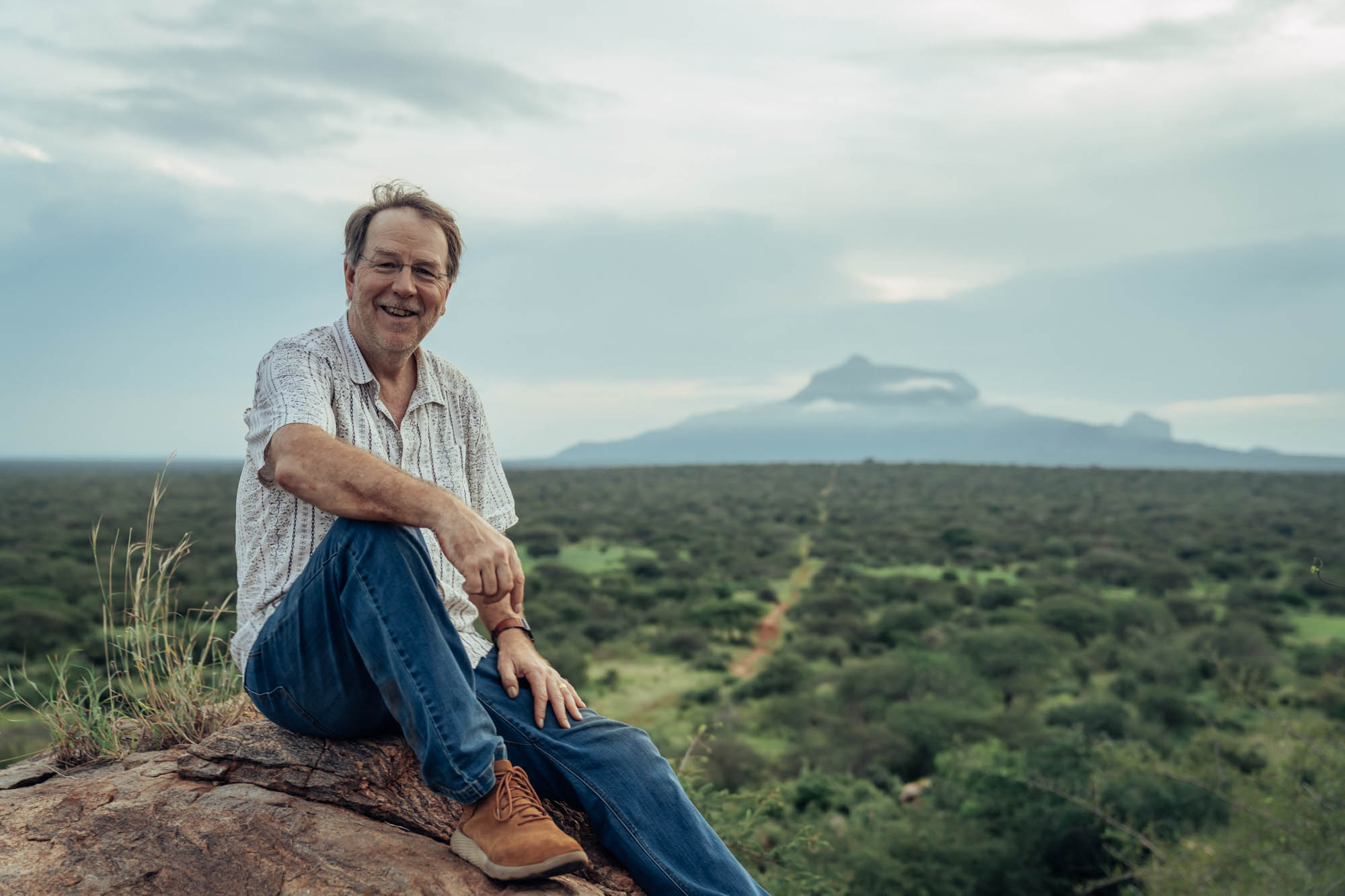
Landscape of the Kasigau Corridor

We embarked on a journey through REDD+ that would capture the essence of the community, the astonishing landscape and wildlife, and the overall impact our project has had. This journey was far more humbling and insightful than I had anticipated…

After a long flight with several stops from San Francisco and a couple hours on the Trans-African highway from Mombasa, I finally arrived at the Wildlife Works headquarters, deep in the Kenyan bush. The Wildlife Works office is a scene in complete contrast to its surroundings: a dozen people hunch over laptops at a desk, while others host a meeting outside under a tarp shade structure, and young interns from the surrounding areas work on the community newsletter which is distributed regularly in several languages to ensure everyone is informed of the project’s happenings.

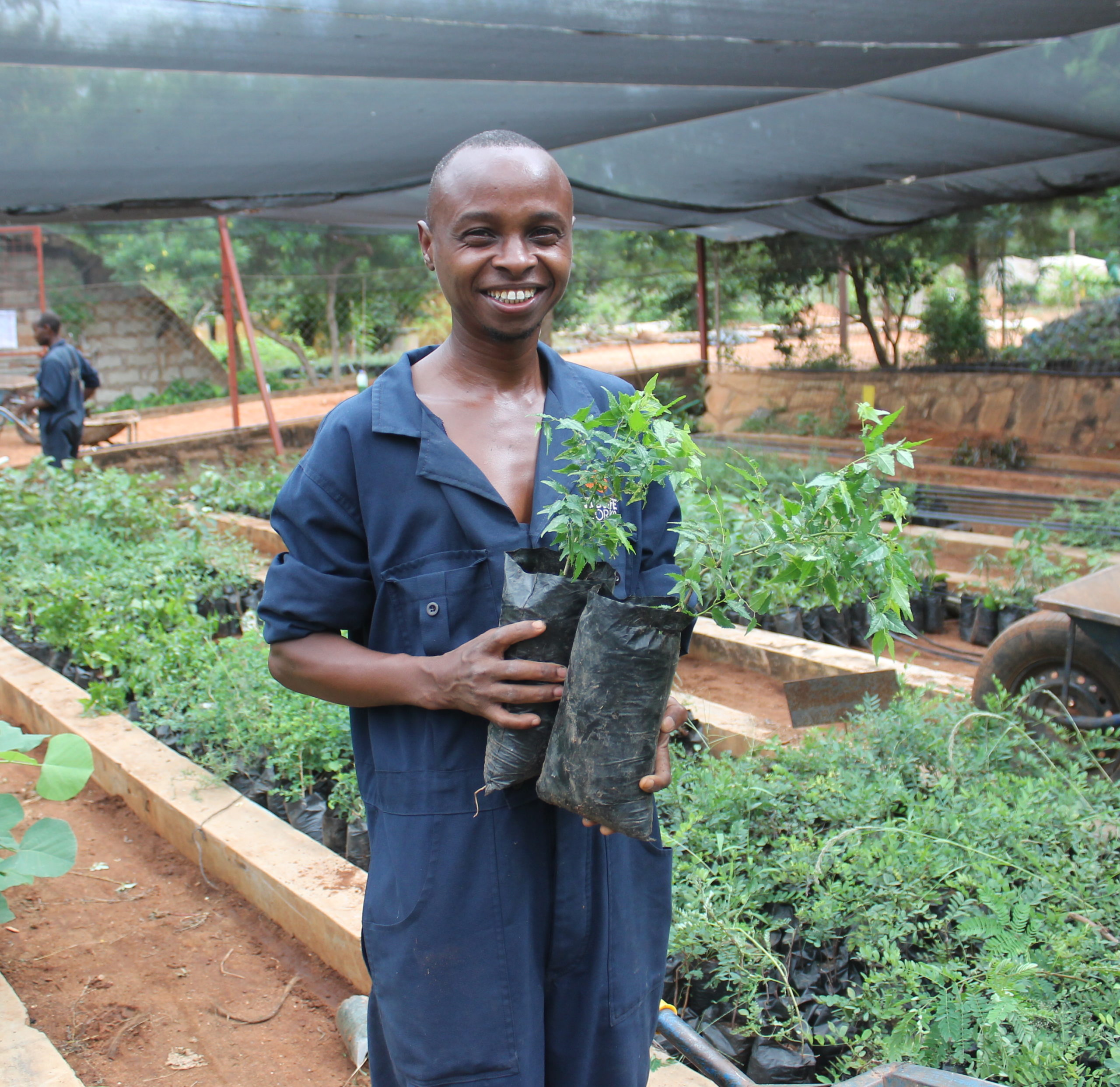
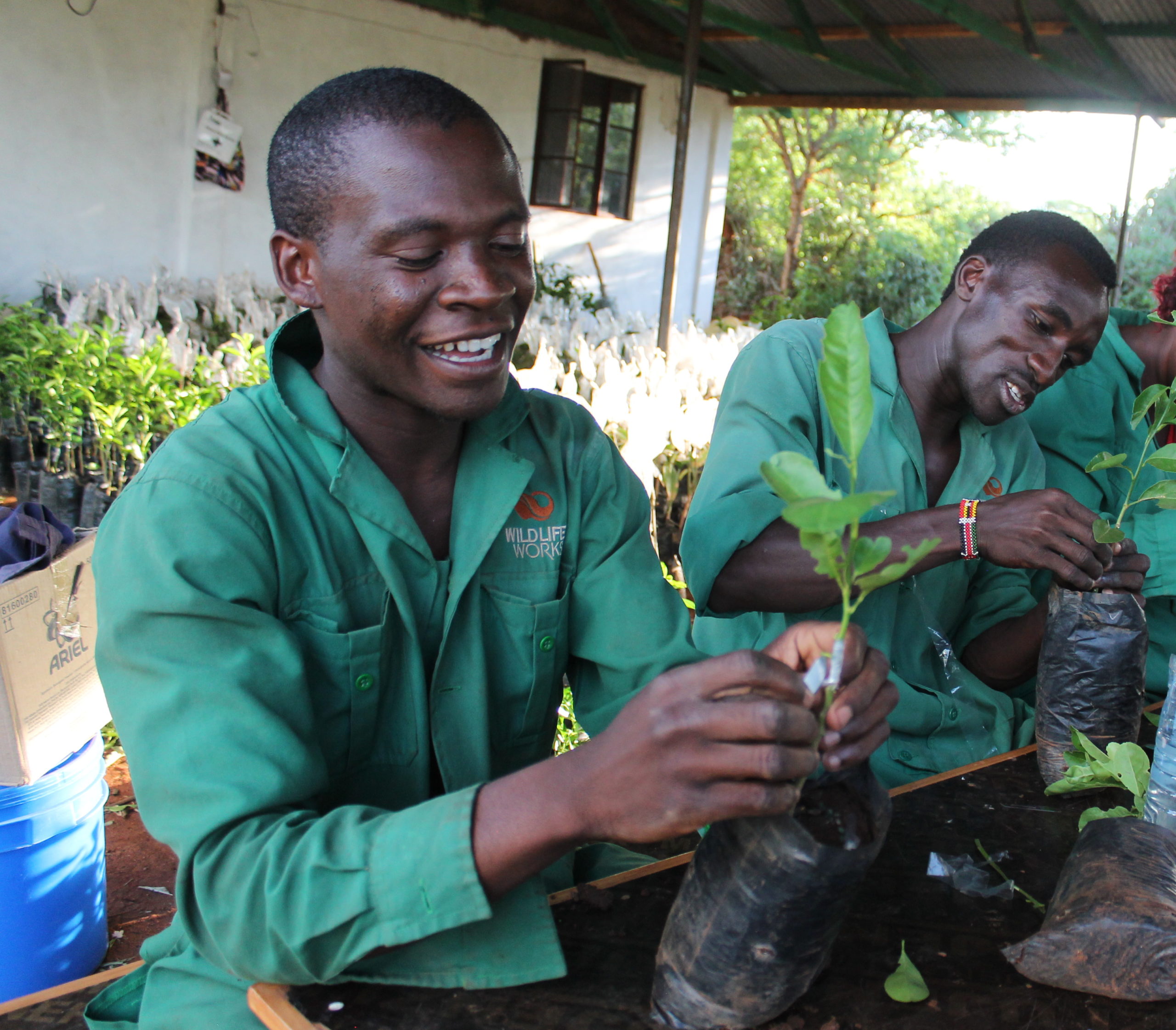
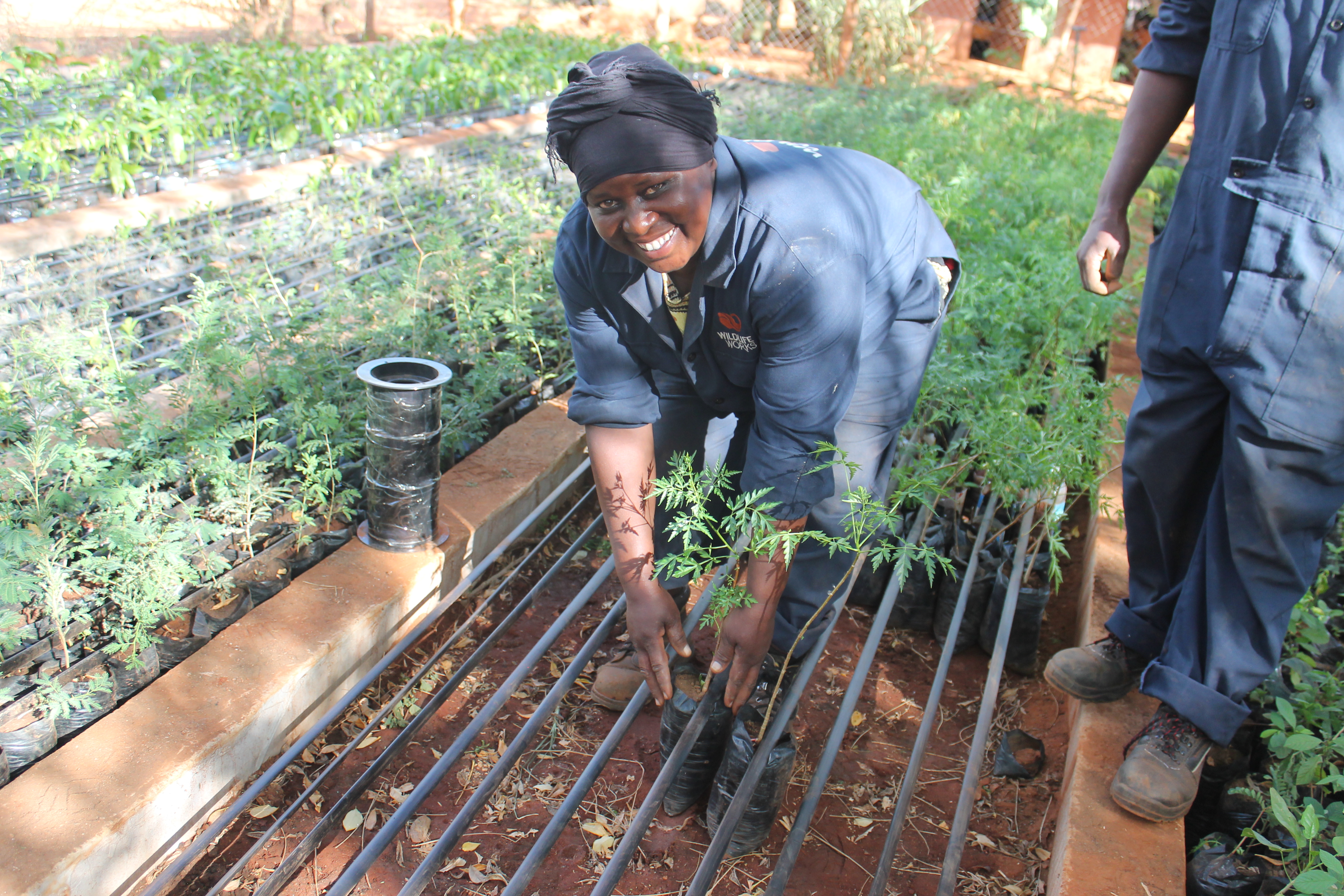
Wildlife Works nursery employees tend to native seedlings

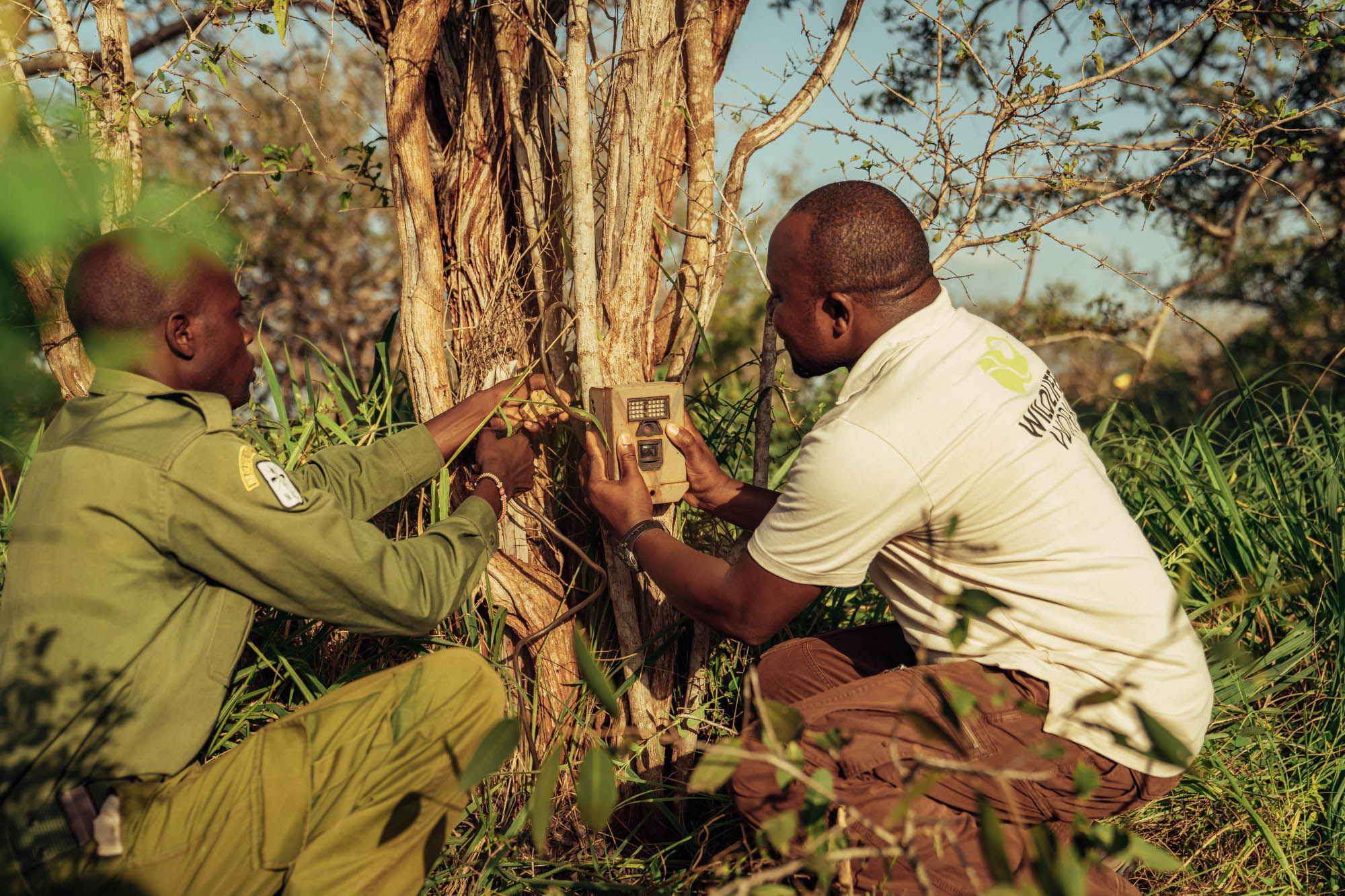
This is command central where Rob Dodson, our VP of African Operations, and his team are the epicenter of things happening for our Kasigau REDD+ project. Operations include monitoring and measuring the forest and wildlife; community outreach; and special initiative planning like agricultural intensification, sustainable charcoal, cash crops, reforestation, and water projects—ALL of this for an area of 500,000 acres and a community of about 100,000 people is happening here! I’m in awe of how incredible it is that a modest, single-level structure in the bush with a slow satellite internet connection houses the work of such bright and dedicated people from the local community and around the world.

The searing sun

To ensure maximum time in the bush to capture photos of the many incredible creatures that roam the area, we woke the next day at 4:30am for a dawn game drive with Alfred, our guide. The stillness of the earth at the break of day was met by the increasing chorus of African birds as dawn arose.

As we drove through the community on our way to more remote areas, we saw a few families up early, preparing food over open flames outside of their traditional homes made of mud, stick, and dung, while others were getting an early start fetching water before the blistering sun made it an even more laborious task.

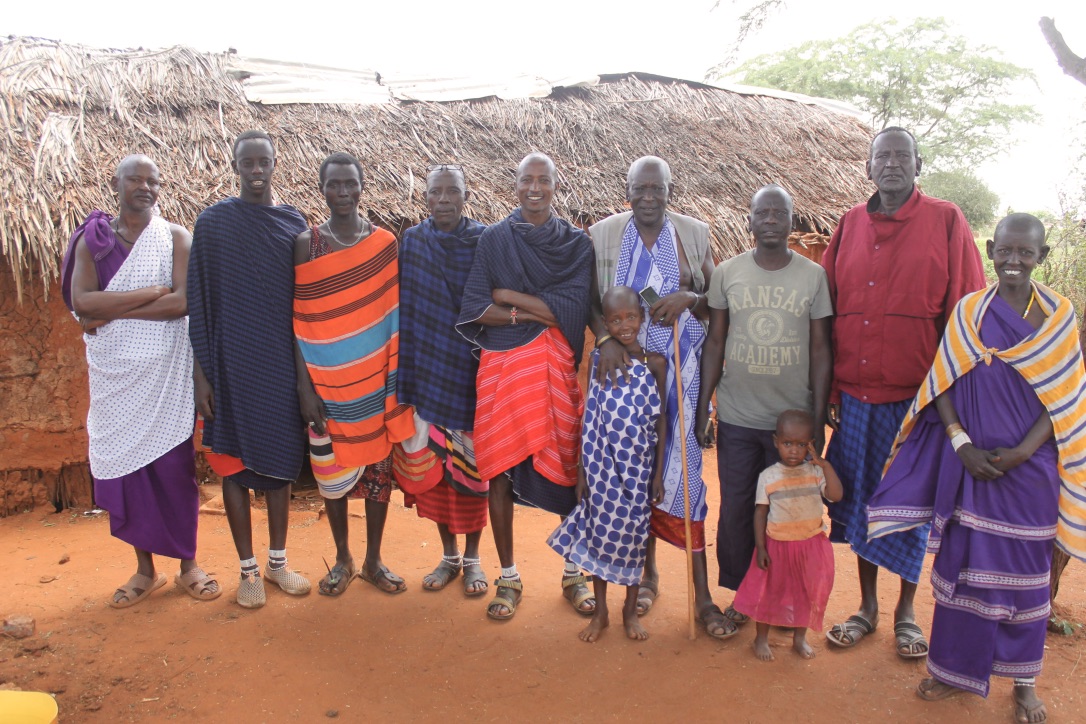
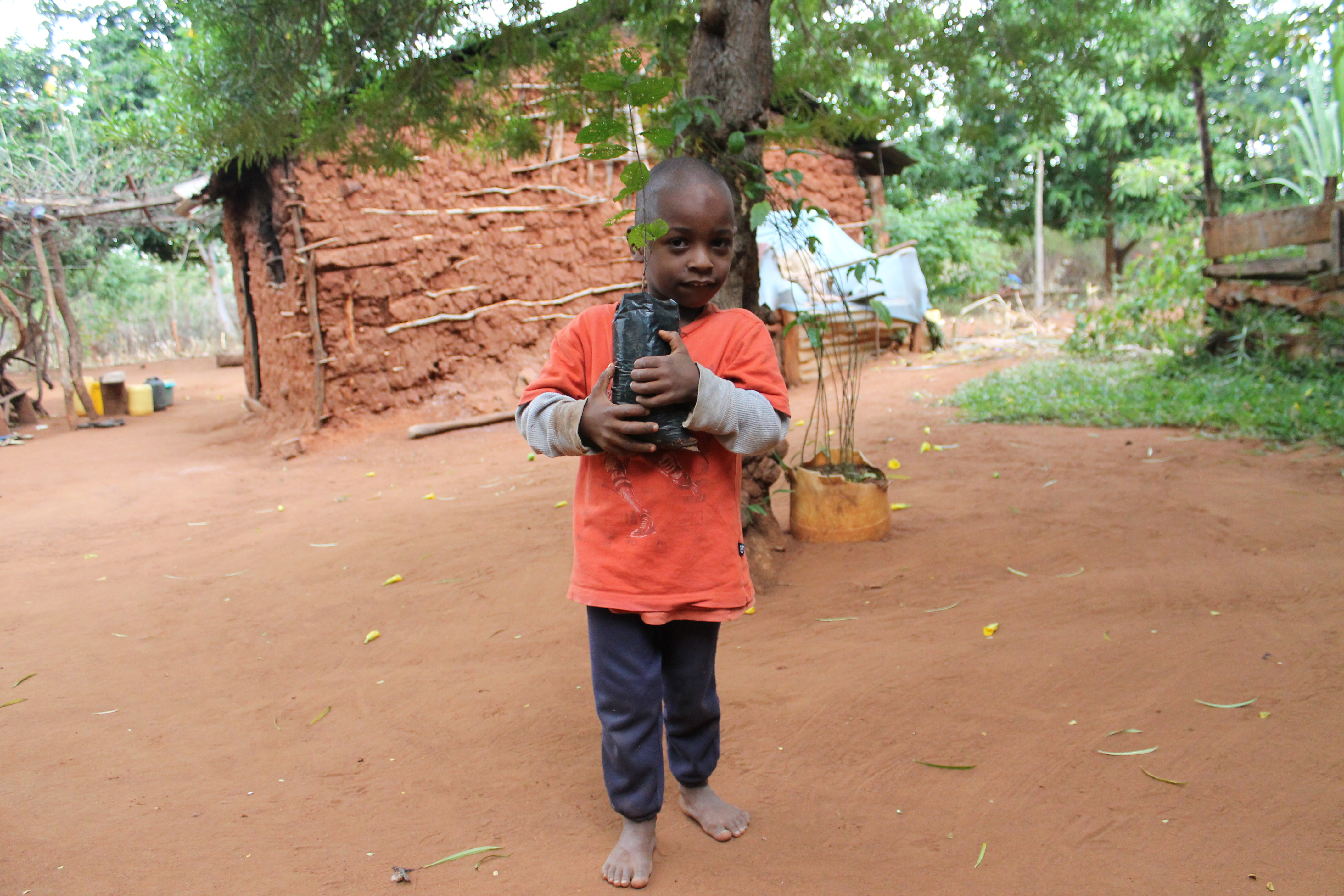
Children from the community

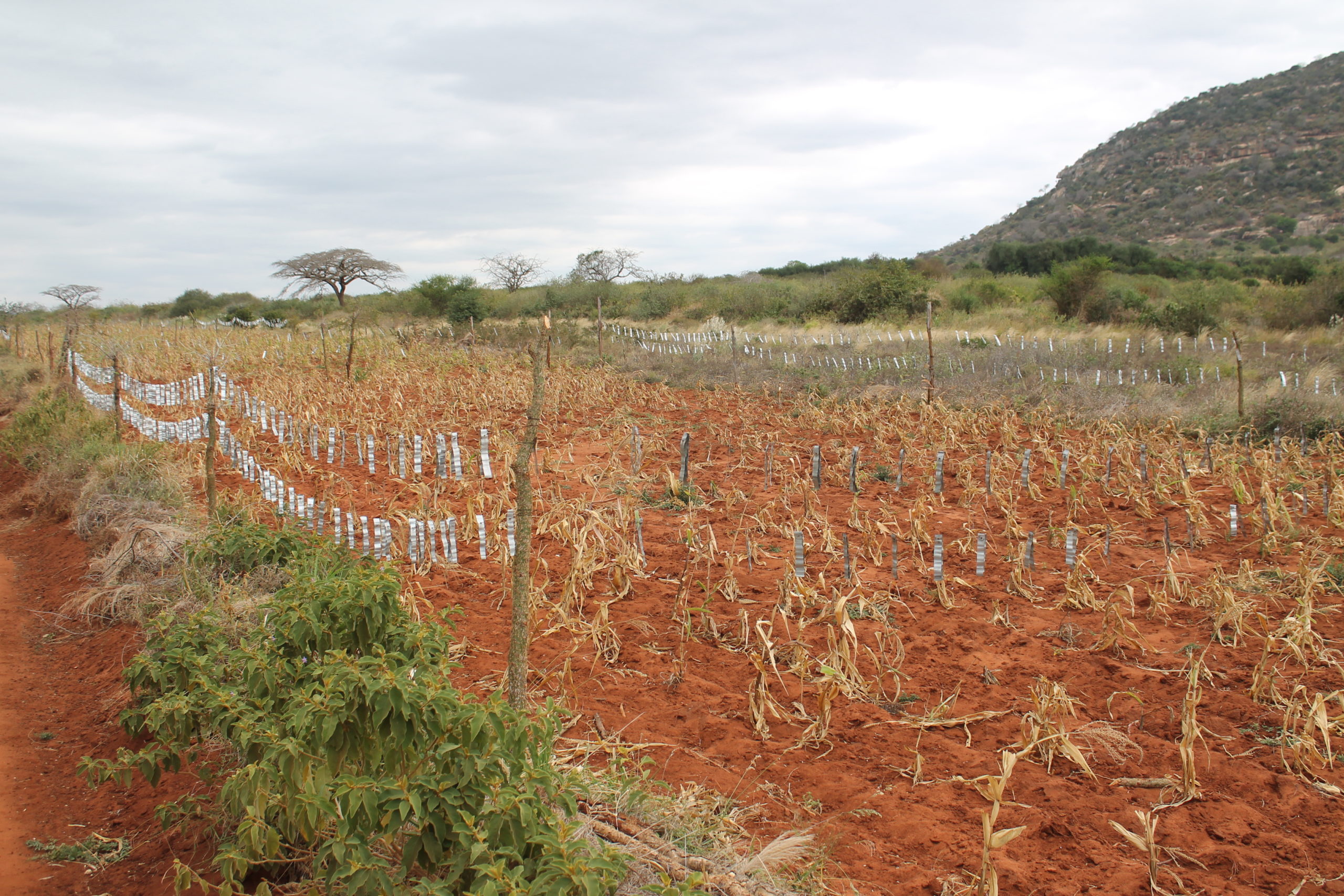
Lack of water is the main underlying cause of deforestation and poverty in the region. Families who are unable to produce a small crop on one plot of land because of dry soil due to lack of water will cut down a neighboring area of forest in hopes that the next plot of land will provide a better harvest.

There is a major watershed with a pipeline that runs from a mountain spring close to the area, to the coastal city of Mombasa. It passes right by many of the people in the local community, but most of the people have no access to it because the pipes attached to this pipeline degraded years ago and no one, including the government, has been able to fund the restoration. Throughout our stay, Lisa and I bore constant witness to the thousands of people living with the burden of walking miles each day to the nearest water tank to meet their most basic need.

The communities have the right to construct a pipeline from the main pipe to supply the entire community with water. Financing is becoming available through proceeds received from the REDD+ project, so they have decided to use a large percentage of the REDD+ funds they receive to resolve this pressing issue.

Conservation battlefield

Continuing on our trek, Lisa, Alfred and I bumped along keenly peering into the bush for any movement. At last we came upon not one, but five giraffes! They were in a clearing, so we could see the full form of their beautiful geometric patterns from their skinny knee-knocking posture up to their graceful necks, long eyelashes, and reaching black tongues. Instead of being spooked and darting into the bush, this family had one member watch us while the others focused on eating breakfast.

Giraffes are a common sight and will not always run away when humans approach.

As the sun illuminated the savannah, we continued our search and sadly came upon two baby elephant carcasses near a watering hole. These elephants were victims of a lion attack a few days before. While we were somewhat reassured by the fact that this was a natural cause of death, Alfred noted that these babies were probably made vulnerable to the lion’s attack because their mothers had been some of the increasing number of elephant fatalities at the hands of ivory poachers.

Rust colored dust began to rise through the short gray branches around the watering hole and into view came the curly wide horns of the African buffalo. Dozens of the robust creatures sauntered towards the water while small yellow-billed oxpecker birds perched on the buffalo for a ride. Zebras followed and eventually a family of warthogs decided to join in the gathering by jumping into a wide muddy ditch made possible by a leak in the water trough.

African buffalo drinking with oxpeckers on board

Peace rangers

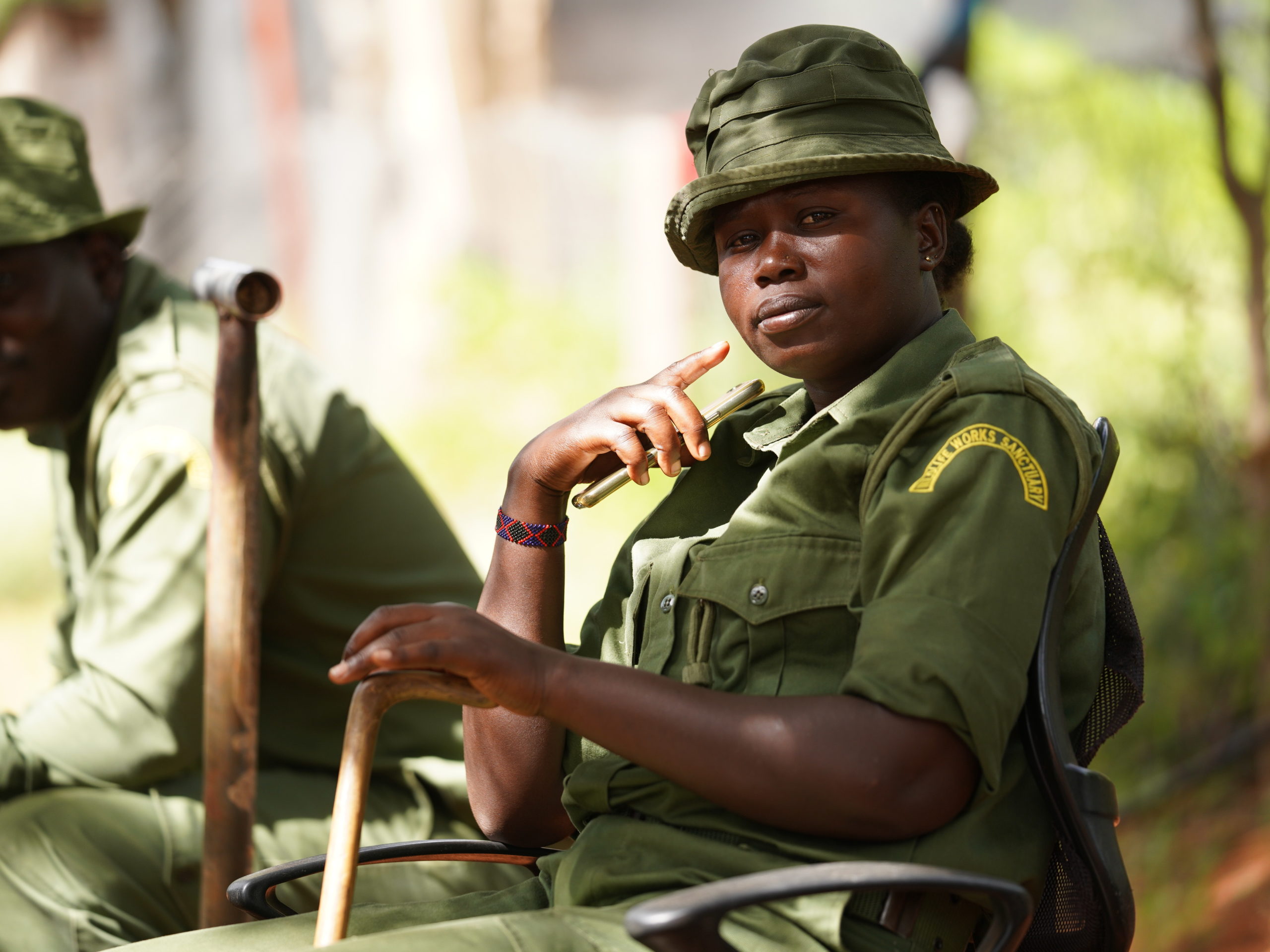
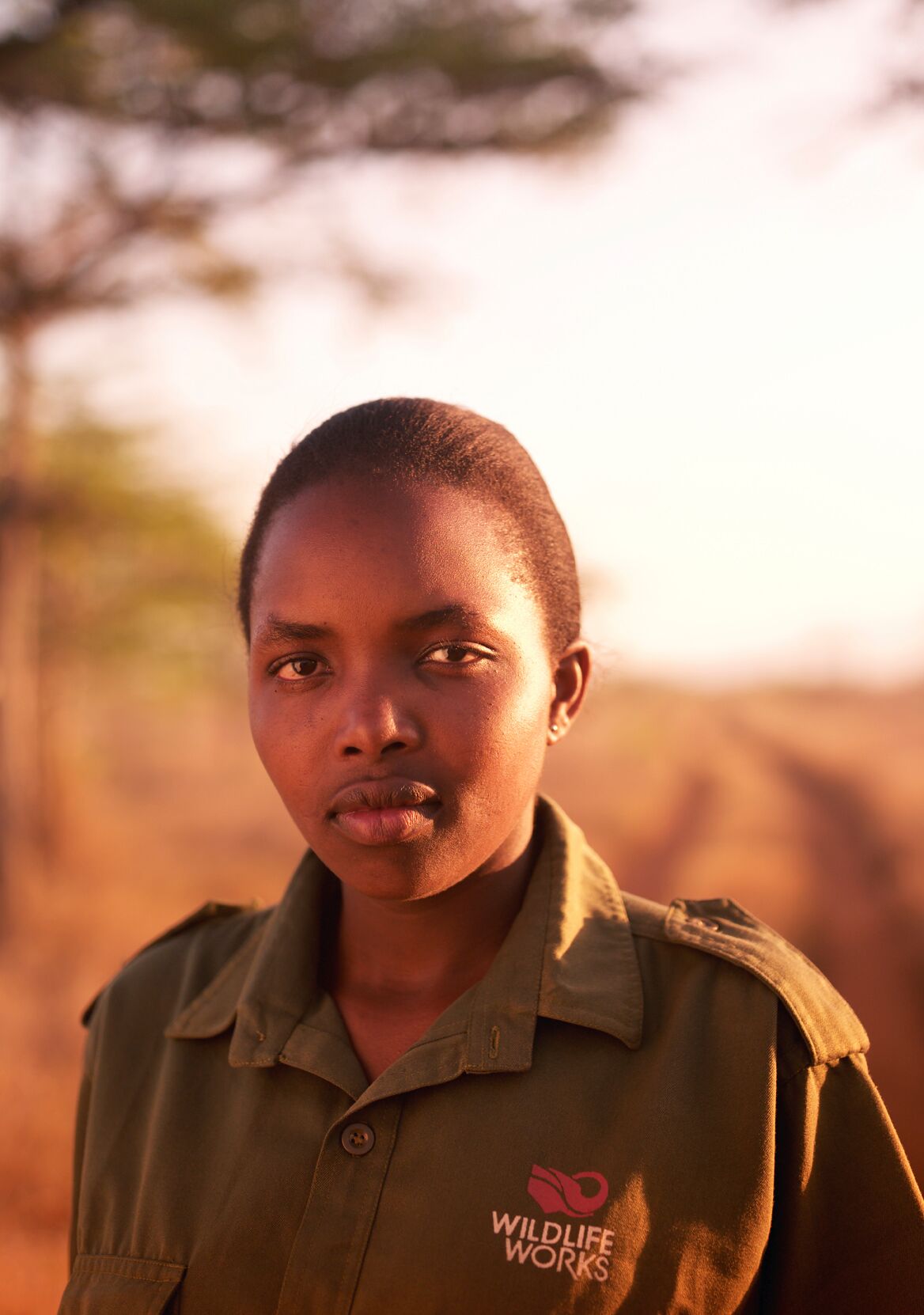
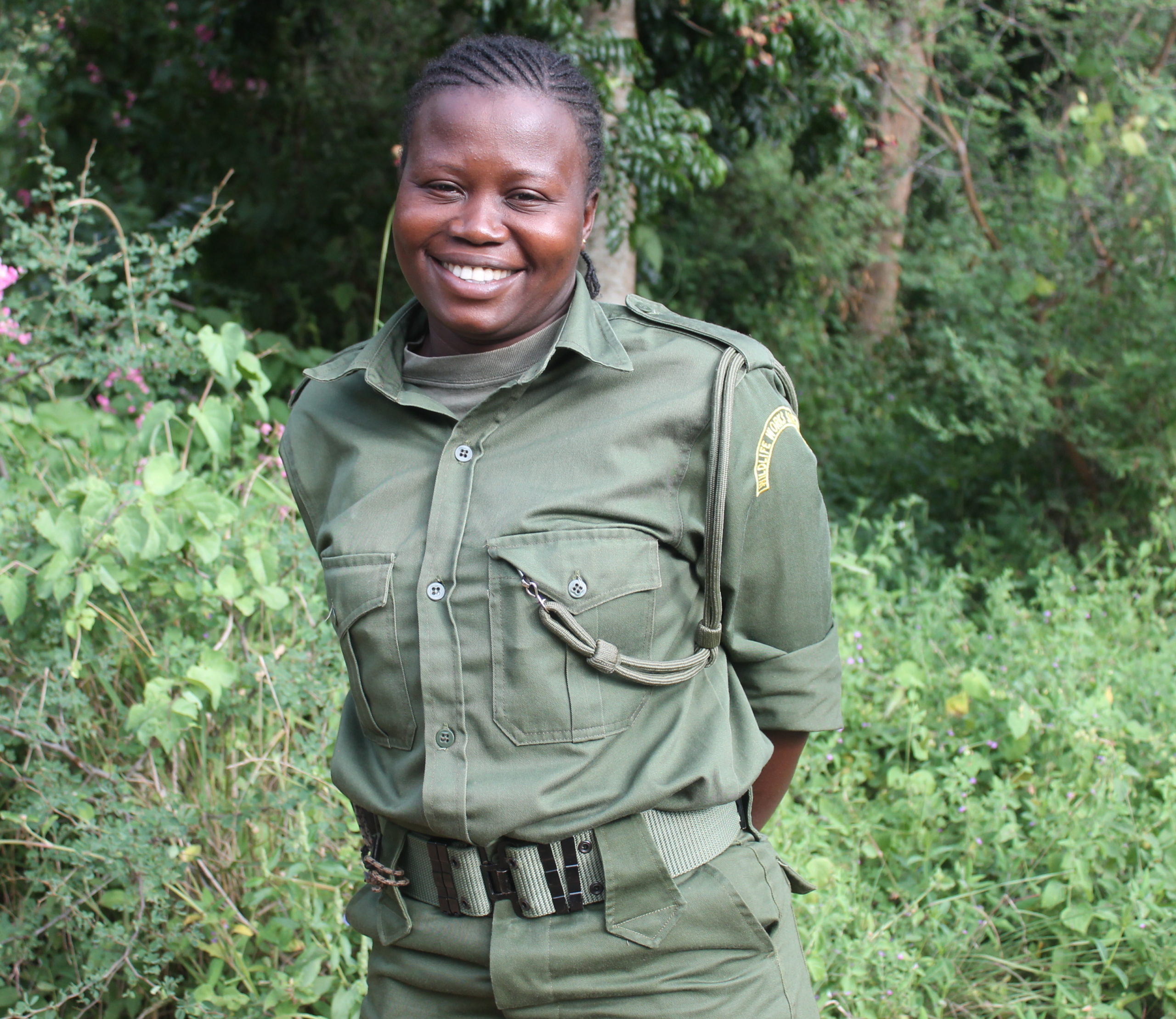
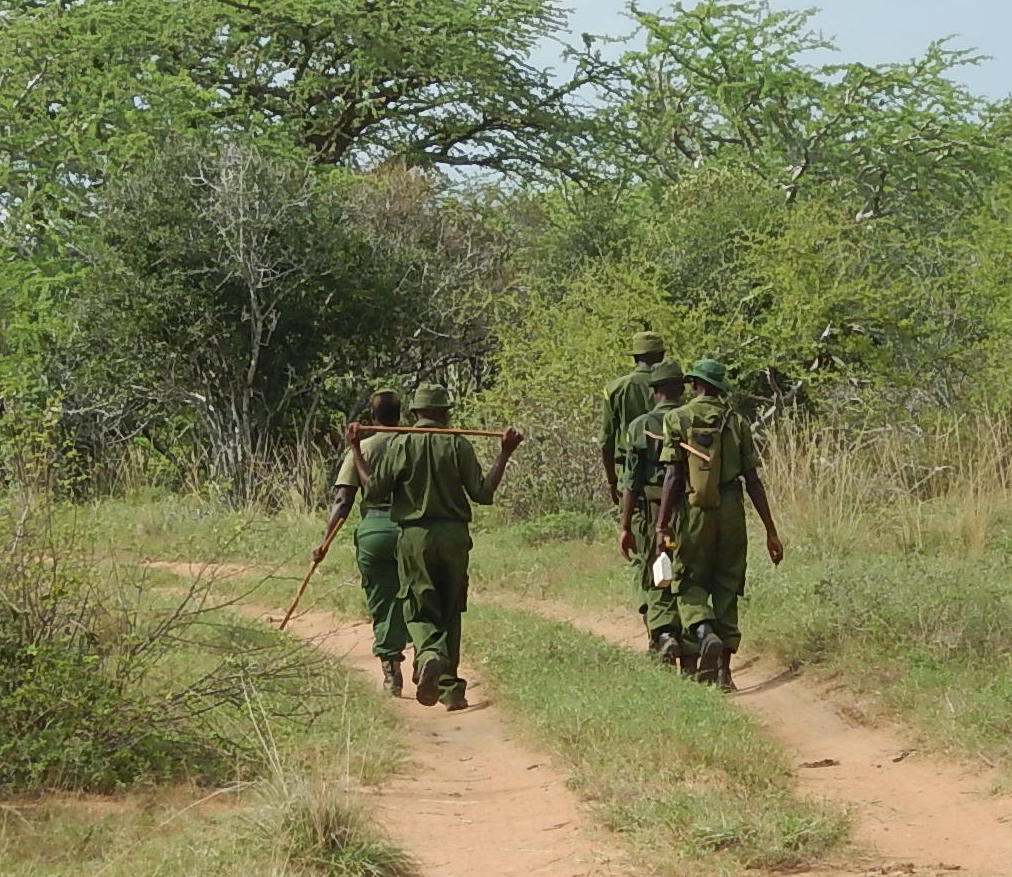
We continued our drive to meet with the Wildlife Works rangers stationed at one of the most remote posts at the base of Mt. Rukinga known as “6 zero.” Lisa photographed the rangers doing their usual routines and running through the bush as they do when tracking poachers. We had a special photo shoot for the female rangers that have joined the force in increasing numbers over the past year.

The Wildlife Works rangers

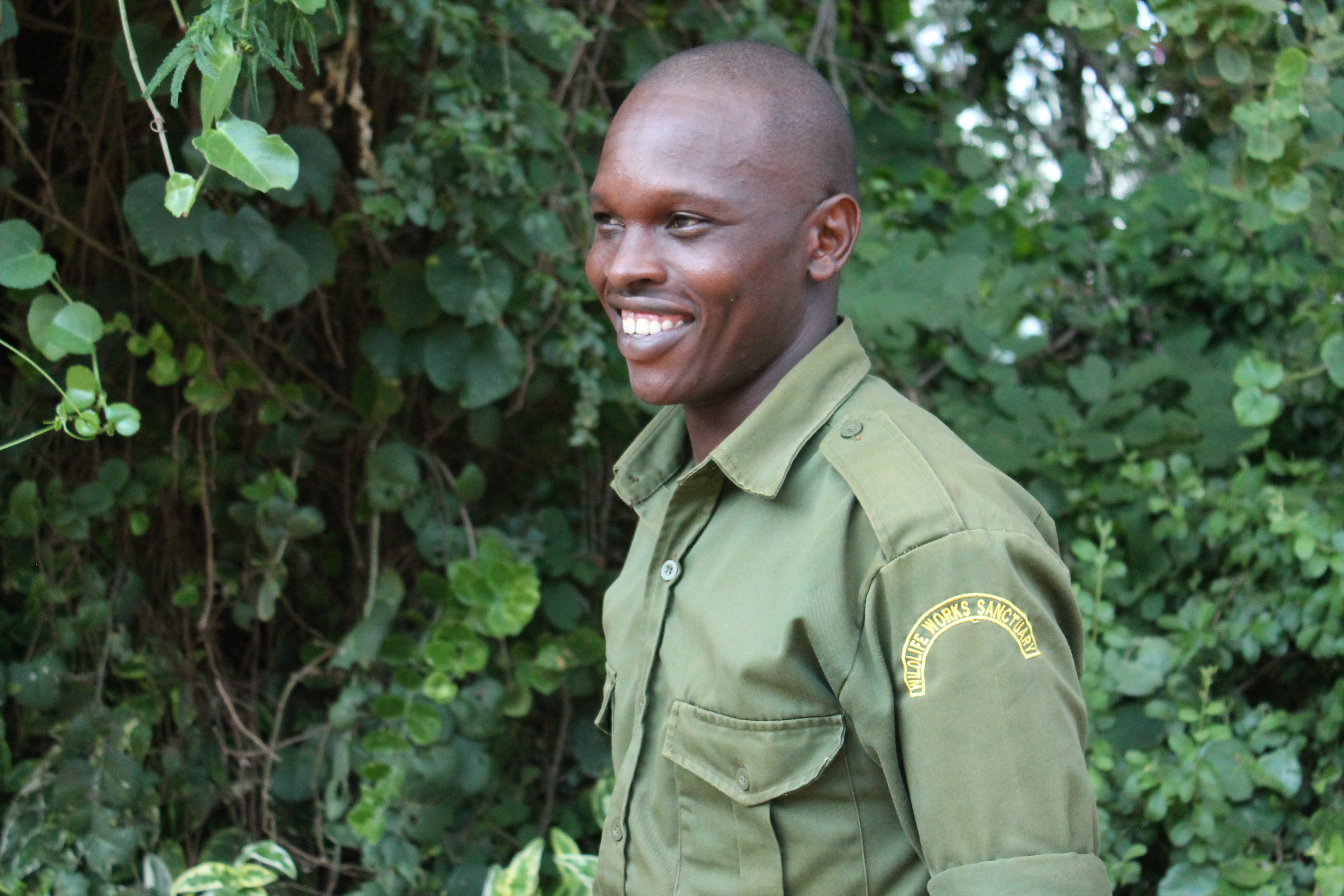
The rangers are proud of their land and their responsibility to protect it and the wildlife. I often refer to them as the “peace rangers” because they bravely patrol the 500,000 acres everyday unarmed. They are on the front lines of one of the most heated conservation battles, so intense that they’re the feature of an upcoming TV series on ivory poaching

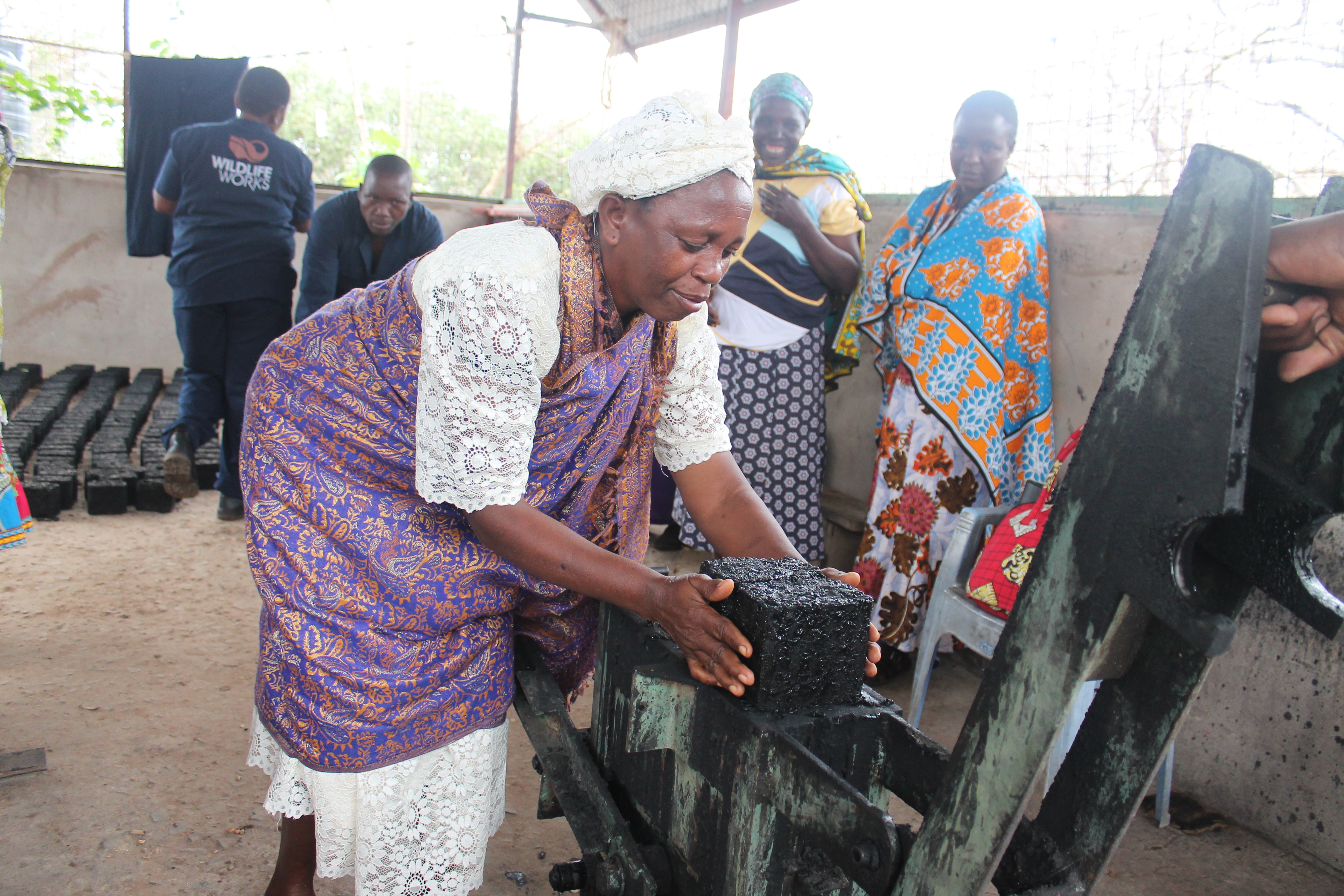
We headed back towards the main office and made our way to the sustainable charcoal production area. Here, twigs and sticks no thicker than a finger are pruned from specific trees in certain areas, burned to char in barrels, and then compressed into bricks that burn more efficiently and at no cost to the nearby forests. This process addresses one of the root causes of deforestation in the area and creates a viable alternative through a small enterprise business opportunity.

Sustainable charcoal production

Sustainable production

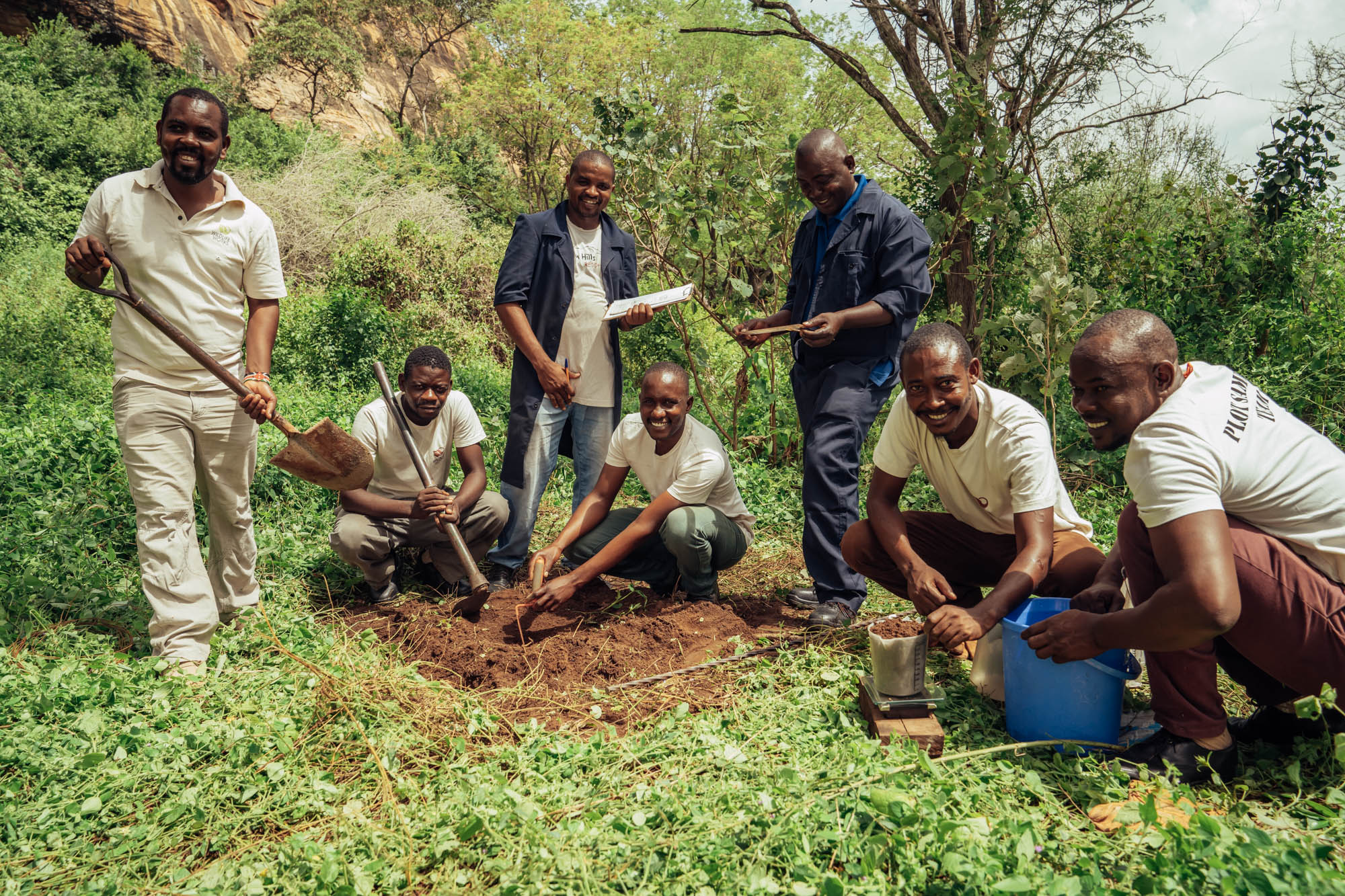
In the days following, Lisa and I planned to see the rest of the project’s many elements, most of which provide sustainable employment for people of the community. We visited the local farms where agricultural intensification and reforestation initiatives are thriving, talked with locals doing community outreach, worked with the field team that monitors the trees and wildlife, and visited one of the most inspiring forms of job creation at the project, the Wildlife Works Eco-Factory. The factory is a source of great pride for the community, where dozens of locals make sustainable apparel items from organic and fair-trade cotton. These apparel items are sold directly to consumers or made for major companies like PUMA.

A woman from the community, Betty, sews t-shirts in the Wildlife Works eco-factory.

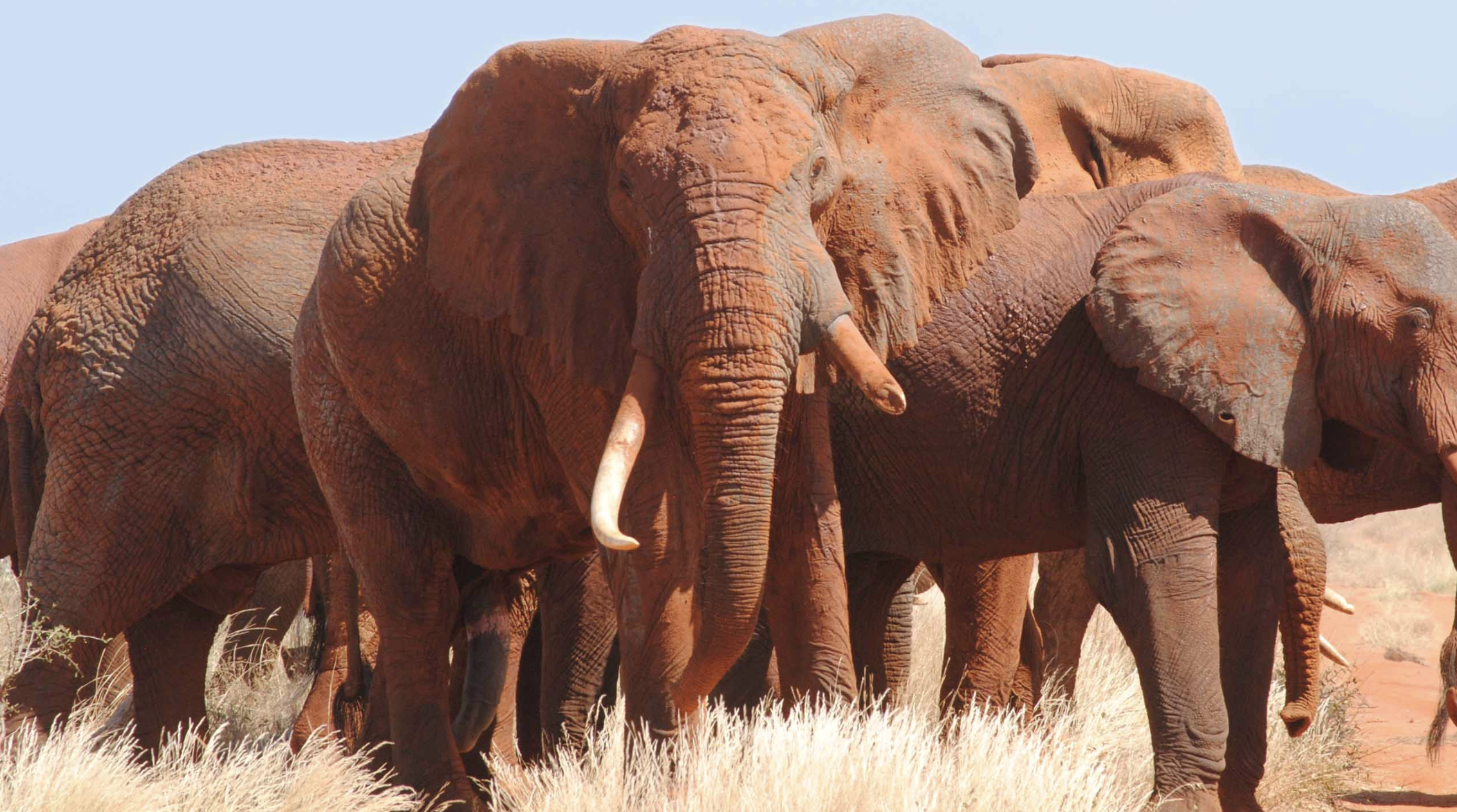
As big golden and orange rays of the sunset faded to dusk after our first day in the field, we made our way back to camp and were surprised by something precious along the way—a family of eight elephants at a Wildlife Works watering hole, displaying human-like tendencies as they used part of the structure to scratch their backs and bums! One of the smallest baby elephants I’d ever seen—no bigger than 4ft tall—clumsily swung his trunk around and tried to mimic his mother’s funny behavior.

The red elephants

It was a sweet moment to catch in the last light of day and one where I felt as if I were peering into the world of a family not that different from my own. We could only hope that this happy and healthy family would remain that as they were, free from the horrors of poaching that effect so many elephants.

Overall, Lisa and I had an incredible trip capturing the joy, progress, and meaningful changes happening throughout the 500,000 acres that comprises our REDD+ project in Kenya. When I talk to a company about purchasing carbon credits, it’s really so much more than a sale or a deal.

It’s proving to the world that with this long-term conservation model, rural communities can sustainably and organically grow, change, improve, and create the future they want while keeping the precious environment intact and living in harmony with the wildlife. I am hopeful and excited to participate and watch this incredible story unfold.

The author, Rachel O’Reilly, with local basket-weavers.

Students from Marungu Secondary School take a walk on the wildlife side

Part of Wildlife Works’ community enrichment strategy includes ensuring that underprivileged students get a chance to view their beautiful ecosystems and see wildlife in their natural habitat.

Students in rural areas do not enjoy the comforts and opportunities that the more privileged students in urban areas regularly experience. The schools surrounding Rukinga, including the Marungu Secondary School, are located almost two hours inland from Mombasa, deep in the Kenyan bush. Students at Marungu are boarded for four years, and many of them never get the opportunity to travel or visit the most picturesque parts of Kenya.

Last month, the Wildlife Works’ Human Resources Department organized a group of 30 Form Four students and two teachers from the Marungu Secondary School to travel to the Wildlife Works’ student camp for a wildlife conservation expedition! The event took place a few days after students had finished their national examinations and holiday break had already begun.

The participants traveled from their respective homes to their school compound at 4:00 p.m. where they were picked up by four Wildlife Works’ Land Cruisers and driven to their accommodations at “Camp Kenya.”

Wildlife Works’ Human Resources Manager Laurian Lenjo, Community Relation Officer Joseph Mwakima and Environmental Officer James Mwangongo welcomed the students to camp and filled everyone in on the adventures that lay ahead of them over the next two days.

After supper on the first night, the core organizers spoke to the students about carbon awareness and the importance of planting trees. Mr. Mwangongo encouraged students to take this new information home, plant trees in their neighborhoods and educate their community about conservation. Mr. Mwakima gave a motivational speech in which he encouraged students to wait for their exam results, with a promise that if they performed very well Wildlife Works would sponsor them on their next tertiary school level.

On the second day, students watched a film about the importance of conservation, then put their new knowledge to action and planted five trees. Finally, the group went for a game drive where they spotted beautiful wild animals including elephants, zebras, giraffes and lions.

Mr. Lenjo said, “[We came up] with this activity for the students who have been studying hard for four years, and are unable to [afford to go] on any trips. [We want them] to be exposed to the environment and what it offers in terms of flora and fauna. This also puts them in a position to make better career choices if they are confused about which field to venture into after [getting] their results. We are always happy to expose them to new things and give them something to ponder career-wise.”

Grace Wanjala: Sewing her own future

Grace Wanjala began school as a young girl, but was forced to abandon her studies at age 14, due to a lack of funding.

Grace, now 22 years old, remembered putting away her school uniform at Class Eight, knowing in the back of her mind that she would never put it on again. This was a real blow for the young girl, but Grace had no one to pay her school fees expect for her father who had lost his job.

Grace accepted her situation and tried to make the best of it. Regardless of the setbacks, Grace had hope that there would still be a great future for her and her sister, who was also forced to abandon her schooling at Form Three. Since she had been blessed with a beautiful voice, Grace joined the choir near her home in Wundanyi and began to participate in ongoing singing practices.

Grace said her time with the choir reminded her of going to school, saying, “We use to behave like school children. We would wake up early in the morning, do house chores and prepare lunch for our siblings who were in school at lower levels. After lunch we would walk with them and leave each other at a juncture where they would go to school as we would go for choir practice. The choir to us seemed like a school and through this we were able to wash away the unspeakable thoughts of being out of school, but at night tears watered my bed. I could not comprehend a life or a future without education.”

Grace Wanjala at the Wildlife Works eco-factory

Although she never returned to school, Grace was able to attend a three-day training program at Shin Ace Garments Kenya, an apparel enterprise in Mombasa, to learn how to sew. Grace found that she had a knack for sewing, and could finish a garment without much difficulty. When she heard about the eco-factory at Wildlife Works, she applied for employment. She passed her interview, showing off her abilities to make t-shirts from 100% organic cotton fabric, and got the job.

Grace Wanjala at the Wildlife Works eco-factory

Today she is working at the Wildlife Works eco-factory making T-shirts for our partnership with PUMA, and earns enough money to buy clothes for herself, do her hair and save up funds for future use. Her sister Presila, is also working at the eco-factory, but has taken some time off for maternity leave. Grace says she is very grateful for the opportunity Wildlife Works has given her. We are grateful to have such talented employees!

Grace Wanjala at the Wildlife Works eco-factory

Grace Wanjala at the Wildlife Works eco-factory

Not a drop to drink: Building water tanks in arid lands

For the people of the Kasigau area where our Rukinga Wildlife Sanctuary is located, a normal day involves walking many miles to collect or purchase clean water. With urbanization and changes in lifestyles, water consumption is increasing at a tremendous rate. Kasigau is considered an ASAL (arid and semi-arid land), where water shortages are the norm. The lack of clean water leads to unhealthy living situations, forcing humans and wildlife to drink contaminated water, which can lead to water-born diseases.

Our conservation strategy that falls under the REDD (Reducing Emissions from Deforestation and forest Degradation) carbon offset marketplace includes the implementation of community improvement projects that aim to ameliorate these rural community challenges.

For those unfamiliar with our unique approach to REDD, money collected from the sale of the carbon offset credits that we produce goes back into the rural communities who have committed to protecting their environment and wildlife. The money is used to create sustainable jobs that give residents alternatives to destroying forests and wildlife for their basic survival needs. These jobs support improvements to education, environment, health and provide other forms of sustainable work.

When the people of Kasigau and five other locations around our project area heard about REDD and how this project could help their communities, the message was difficult for people to believe, but they decided to give it the benefit of the doubt and haven’t regretted it since. The local communities enjoy additional support for women groups, better job opportunities and growth, more education scholarships and overall local commerce growth from the increased job opportunities.

Early last year residents started offering proposals for the various community improvement projects they wanted to see carried out. Each village was allocated one third of the carbon credit money that is normally set aside for community improvement, just so long as the proposal is within REDD project mandates. Most locations issued similar proposals, all of which indicated a need for water.

The process of proposal verification requires a lot of time and research to determine feasibility, and many community members began to feel anxious that the water projects were not going to happen. The people of Makwasinyi in particular began to lose hope, as their old water tank was cracked and unusable, forcing them to travel very far from home for water.

To everyone’s relief, construction on the water tank projects began last month and we’re happy to say the one in Makwasinyi is already finished and ready for use!


The new water tank.

Ms. Zige, a mother of one, said she is so happy to have water just next to her house. She explained the situation Makwasinyi, saying, “When we gave the proposal of a water tank, we thought that it will never happen… We continued to use the old one but since it had a lot of cracks, all the water that was being pumped in would pour out and this would force us to go out and look for water very far from our home… Now I lack words to express my gratitude to Wildlife Works.”

The old, cracked water tank

The old and new tanks, side by side.

In addition to the water tanks, Wildlife Works has signed over many more community projects to contractors, and we are ready to start construction on a new classroom at the Mwatate Seconday School building, water storage tanks at the Maili Kumi Primary School and furniture for the students at Moi High School including new chairs, bunk beds and lockers.

As we continue our work to protect forests and wildlife, we will also continue improving living conditions for the members of our community. We are so grateful for our supporters, our staff members and everyone who believes in the power of REDD!

Cleaning day: Everybody do your share!

With no real infrastructure to manage waste, residents of many rural towns are neither motivated nor educated about why they shouldn’t litter. As a result, many towns, like our neighboring town of Maungu, are overburdened by noncompostable trash thrown in the streets. Part of Wildlife Works’ community education initiative focuses on teaching students how to reuse and recycle plastic items.

On Oct 27th, duty called upon the residents of Maungu to join hands and remove all the polythene paper bags and plastic containers that constantly build up around the town. Wildlife Works and Marungu Hill Conservancy organize an event each year to ensure that the town is clean, and all the plastic containers are recycled into usable objects.

This year our rangers joined in to provide security and assist the students from various schools and community members in their efforts.

Students were divided into groups and assigned different areas of the town to clean. Participants worked with gloves and rakes to remove the unsightly plastic debris, while fierce winds blew papers around and covered the workers’ faces with dust. Those who live in Maungu develop camel-like lashes to keep sand away from the eyes and special salivary glands to sieve sand out of the mouth. The work may seem tedious, but the volunteers were not discouraged.

The townspeople finished up the hard work just after noon, and gathered to relax and enjoy soda and half cake. Students entertained everyone with plays and poems about keeping the town clean.

Christine, who handles waste management for Wildlife Works, gave a speech on the importance of recycling waste products into useable items.

The students also enjoyed learning how to make a homemade hand washing station by attaching a bar of soap and a reusable plastic container to a stick held up by two larger sticks planted in the ground. The stations looked similar to a cooking spit and provided everyone with a place to clean their hands.


Everyone seemed happy to pitch in and do their part. We hope these annual sessions will continue to bring  community members together to make their home a more beautiful place to live.

Working side by side with SOKO-Kenya

A new addition has come to the Wildlife Works Export Processing Zone (EPZ): SOKO!


SOKO Kenya is a clothing production workshop for the export market that aims to create sustainable, fair employment and offer training and skills to some of Kenya’s poorest people. SOKO promotes community-driven, ethical, environmental, fashion-driven garments to the international fashion industry.

SOKO first began producing women’s fashion for the European, U.S. and South African markets in 2009. Set up by Founder and Managing Director Joanna Maiden, the factory had been operating from Ukunda, Coast Providence. With increasing production orders, construction of the new factory at the Wildlife Works EPZ started earlier this year and Joanna’s team joined us in Maungu in June 2012.

Team SOKO in front of their new factory.

“It is an exciting time and we look forward to continuing to work closely with Wildlife Work’s fashion department,” says Joanna. “Moving to the EPZ will enable SOKO to grow further as well as offer employment to more people in the area and from further away.”

Since arriving in Maungu, SOKO has hired seven people for their production team, bringing the total employees to include 30 people from all over the country. In addition, 15 people were hired for a pilot embroidery program and trained in the skill of cross-stitching. The embroidery team completed 700 sample units which are currently being inspected in Belgium. Joanna hopes to get approval for further embroidery orders in the near future.

SOKO and Wildlife Works have worked collaboratively in the past years, producing highly sought-after fashion pieces. Our most famous client to date has been First Lady Michelle Obama, who wore a SOKO and Wildlife Works combination during her trip to Africa in 2010.

The importance of ethical fashion in the global marketplace cannot be understated. We’re glad to be working alongside SOKO in the production of sustainable style, and we will continue growing and innovating into the future.

Kasim the gardener creates works of living art

Kasim has been a gardener at the Wildlife Works Rukinga Sanctuary for only a few months, but already his work speaks volumes.

Kasim is a true artist, blessed with an innate sense of beauty that allows him to create imaginative landscaping including fun, natural signage that create a warm welcome for staff members and visitors to the sanctuary.

The 47-year-old father of seven never got to finish his studies, due to lack of funds to pay school fees. He managed to get by, working security jobs at various institutions until he began working for Wildlife Works.

Kasim doesn’t let his lack of formal schooling interfere with his creativity. When he decided to spell out the word “carbon” in stones, he asked a friend to write the word on a piece of paper. Kasim them discreetly tucked away the paper and used it to copy the word into the ground.

Working at the Wildlife Sanctuary has taught Kasim the importance of trees to his country’s ecosystem and the need for sustainable jobs and better education for the people of Kenya.

Kasim feels moved to see the children in Rukinga progress with their studies. He said, “The youth are the leaders of tomorrow and if we let them waste away, our country will lack enough manpower for new innovations.”

Madam Colleta: Caring for the future of the community

One of the greatest comforts to a working mother is knowing that your child is safe and happy while you are away. No matter which corner of the globe you’re in, there is a constant need for affordable and reliable childcare. For Wildlife Works staff members in Rukinga, the free on-site preschool has been a blessing. Madam Colleta leads the team of 2 dedicated teachers who spend their days entertaining and educating 21 children aged 2-5 .

Madam Colleta has been with the Wildlife Works preschool since it opened in January, 2012. The widowed mother of three spends her days teaching and feeding young children, while simultaneously providing for her own family in Maugnu, the nearest town adjacent to Wildlife Works. The work schedule is ideal, she says, as it leaves her with enough time to cook and care for her own children once she gets home.

Madam Colleta also heads the allocation of Wildlife Works-sponsored scholarships in the Rukinga area. She is honored to be providing a helping hand that allows children from poor backgrounds to continue with their education.

The future looks bright as Madam Colleta contributes to the health, happiness and prosperity of Wildlife Works’ community! So here’s to Madam Colleta, for her dedicated work improving the lives of Rukinga’s children!

Save the kale: How one leafy green is changing lives

For some of us, eating vegetables is a chore. For others, it is a means of survival.

In Kenya, kale is referred to as “Sukuma wiki” which means “to stretch the week” in Swahili. The green leafy plant serves as a staple of the average person’s diet, especially for those living on less than a dollar per day.

During periods of drought, the demand for water becomes crucial for plant, animal and human use. Water shortages can cause food to become scarce, and what does reach the markets is priced exorbitantly high. The inflated prices leave families without enough food to feed everyone. In these desperate times, the youngest children are given highest priority and adults must manage with whatever is available.

This summer, the Wildlife Works’ greenhouse employees in Rukinga have devoted half an acre of land to planting spinach and kale to subsidize the shortage in community. The vegetables are being sold at cost and the orders are flying in!

According to a study published in “The American Journal of Clinical Nutrition,” eating a diet rich in vitamin K can reduce the overall risk of developing or dying from cancer. Vitamin K is abundant in kale, but also found in parsley, spinach and collard greens. Our in-the-field writing intern Rose says we can credit the smiley nature of most Kenyans to the nutrition they derive from Sukuma Wiki.

We hope that the affordable produce provided by our greenhouse team can continue to improve the lives and diets of the entire community.

Orphan Elephant Rescued at Mgeno Ranch

Rukinga drinking milk 10/4/2012

3-week-old “Rukinga” feeds on milk at the David Sheldrick Elephant Orphanage in Nairobi 10/4/2012 (Photo Credit: David Sheldrick Wildlife Trust)

While patrolling the sanctuary on September 24th, our rangers discovered an elephant calf lying helplessly near a watering hole. They approached it carefully, unsure of whether the animal was dead or alive. A closer observation revealed that the elephant was only about three weeks old, and possibly abandoned by its family.

Hoping that the calf’s mother was out in search of food nearby and on her way back, the rangers decided to hide out and wait for her return. After about 30 minutes, with no sign of an adult elephant in the vicinity, the rangers determined that the calf had been abandoned.

They alerted Eric, the head ranger, who advised them to relocate the elephant immediately so that it could be taken to Mgeno headquarters, a sub-location of the David Sheldrick Wildlife Trust. They did not waste any time as they tied its limbs together, hoisted it into their land cruiser, and headed toward Mgeno ranch to meet Erick.

Eric contacted Joseph Sauni from the David Sheldrick Wildlife Trust, a charity organization based in Tsavo National Park that is dedicated to rescuing and raising orphaned elephants and rhinos. Joseph showed up immediately from Voi with a team of six and transferred the elephant to Mgeno headquarters where it was kept for 24 hours.

Joseph explained that this was not the first time an orphaned elephant had been rescued from Rukinga:

“When an animal like this is abandoned by its mother, chances are high that there is a drought…this can force the mother to abandon its baby because [the infant] it is too weak to proceed with the long journey in search of food and water.”

The animal was then taken to the Voi airstrip where it was airlifted to the David Sheldrick Elephant Orphanage in Nairobi. Our rangers can rest assured that the animal (which they named “Rukinga!”) is in good hands; it will be fed and babied until it reaches the stage where it can be safely released back into the wild to fend for itself.

Rukinga feeding on milk at the Voi airstrip (Photo Credit: David Sheldrick Wildlife Trust)

Loading the orphan onto the rescue plane (Photo Credit: David Sheldrick Wildlife Trust)

Rukinga follows the keepers closely (Photo Credit: David Sheldrick Wildlife Trust)


Once again we say bravo to our rangers and our friends at the David Shedrick Trust!

WHAT IS WILDLIFE WORKS?

Protecting + Forests + Wildlife + Community since 1997.

Wildlife Works is the world's leading REDD+ (Reducing Emissions from Deforestation and Degradation), project development and management company with an effective approach to applying innovative market based solutions to the conservation of biodiversity. REDD+ was originated by the United Nations (UN) to help stop the destruction of the world's forests.